
Replacement Plates and Gaskets for Alfa Laval, Kelvion and Other Plate Heat Exchangers: What to Send a Supplier
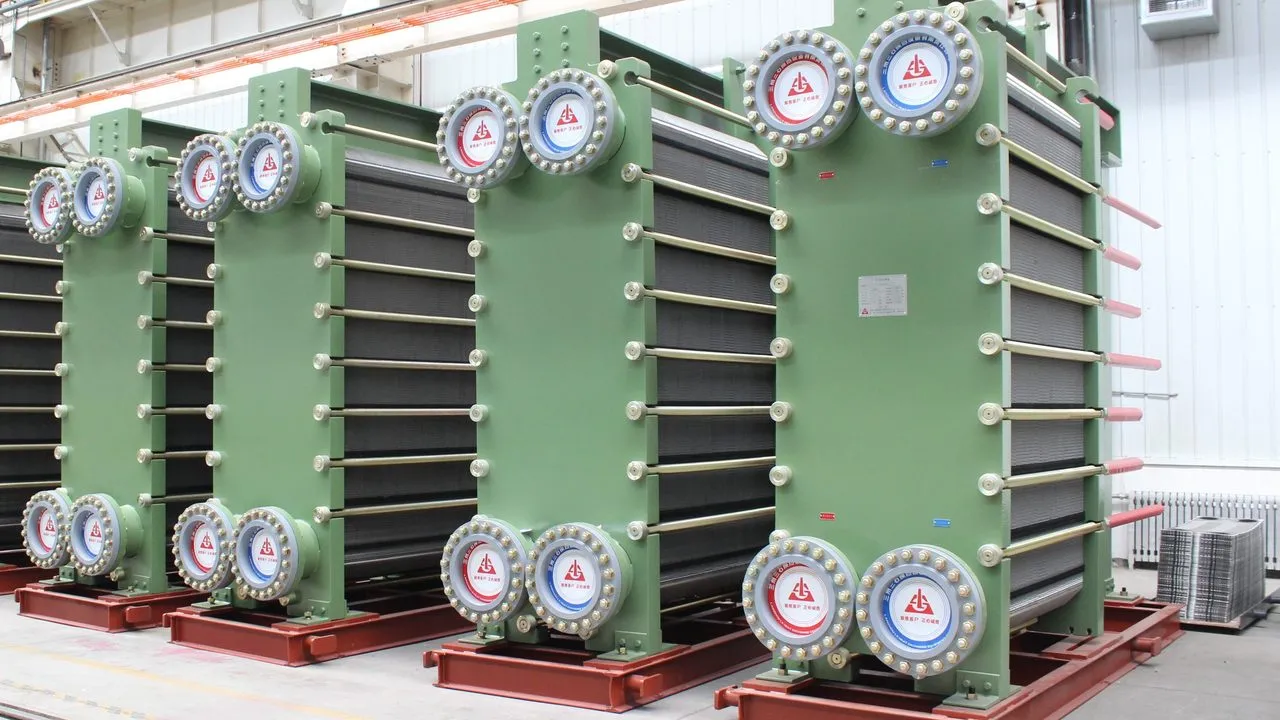
A plate heat exchanger can run for decades, but its gaskets age and plates can crack, corrode or be damaged during cleaning. When that happens, the first quote usually comes from the original manufacturer. Compatible plates and gaskets, made to fit another brand's model, are a common alternative. Original manufacturers offer them too: Alfa Laval, for example, says it can supply compatible gaskets for many other brands, and compatible plates for many models.
This guide explains when compatible parts make sense, what can go wrong, and what information to send so a supplier can quote the right parts. It applies to gasketed plate heat exchangers. A brazed plate heat exchanger cannot be opened, so it is replaced as a whole unit. To ask for a quote, send the details listed below through the RFQ form.
1. When Compatible Parts Make Sense
| Situation | Why compatible parts can help |
|---|---|
| The model is old or no longer supported | Parts can still be made if the plate design is known |
| Price | Compatible parts are often bought because they cost less than original parts |
| Lead time | A supplier with the right press tool and material in stock may deliver sooner |
| A different gasket material is needed | The duty has changed and the original gasket compound does not suit it |
They are a weaker choice when the unit is still under the manufacturer's warranty, when the plant's rules allow only original parts, or when the unit is part of certified equipment and a change of parts needs approval. Check these points before ordering.
2. Gaskets Only, or Plates Too?
- Gaskets only. The most common order. The plates are cleaned, inspected and fitted with new gaskets, either on site or in a workshop. The gaskets must match the plate's groove and its fixing method, glued or clip-on.
- Some plates. Cracked or corroded plates are replaced and the rest stay. The new plates have to match the old ones exactly, including the pressing pattern and depth.
- A full plate pack. All plates and gaskets are replaced, and the frame, bolts and connections are kept. This is the point to consider a change of plate material or gasket compound, or more plates if the frame has room.
If many plates are damaged, also look at the cause. Corrosion, erosion or repeated fouling will return with new plates unless the material or the operating conditions change. The spare parts buying guide covers when an upgrade is better than spare parts.
3. What Has to Match
A compatible plate has to fit the frame and the other plates, and seal against them. The points to confirm:
- Outer dimensions and hanging slots. The plate has to hang on the carrying bar and be guided by the guiding bar.
- Port size and position. Ports have to line up with the frame connections and with the other plates.
- Gasket groove. The groove shape decides which gaskets fit and how they are fixed.
- Pressing pattern and depth. The corrugation angle and depth set the channel gap. They affect heat transfer and pressure drop, and they set the plate pack's tightening dimension. New plates mixed with old ones must have the same pattern and depth.
- Thickness and material. Plates for one model can come in different thicknesses and materials. The thickness affects the pressure the plate pack can take, and the material affects corrosion resistance.
- Special plates. In most units the first plate, often called the start plate, and the last plate differ from the others in which ports are open or which gasket they carry.
4. What to Send the Supplier
Most of this comes from the nameplate, the original documentation and a few measurements. Danfoss's plate heat exchanger manual, for example, asks for the exchanger type and manufacturing number from the nameplate, the plate code and type for separate plates, and the gasket material for separate gaskets.
| Item | What to send |
|---|---|
| Nameplate | A clear photo showing brand, model, manufacturing or serial number, year, design pressure and temperature, and the tightening dimension |
| Number of plates | The total count, and the plate arrangement drawing or plate list if you have it |
| Plate details | Material, thickness if known, port diameter, and photos of both sides of a plate next to a ruler |
| Gasket details | Current material, glued or clip-on, a photo, and any code moulded on the gasket |
| Operating conditions | Both fluids, temperatures and pressures, and cleaning chemicals |
| What you need | Gaskets only, some plates, or a full plate pack, plus spares |
| Bolts, if needed | Measure the existing tightening bolts, as manufacturers' manuals advise |
| Sample | If possible, send one plate with its gasket |
A sample plate removes most of the guesswork. If the unit cannot be opened before ordering, the nameplate and the original documentation are the next best thing.
5. The Tightening Dimension
Plate heat exchanger manuals specify the distance between the frame plate and the pressure plate when the pack is tightened, often called the "A" dimension, with a maximum and a minimum on the nameplate. Danfoss's manual says that if the unit does not seal, it may be tightened step by step to the minimum, which must not be exceeded. Taco's manual warns that tightening below the minimum will damage the plates.
The tightening dimension depends on the number of plates and the pressing depth. If the supplier's plates are pressed to a different depth, the original "A" dimension no longer applies. Ask the supplier to state the tightening dimension for the new plate pack and to confirm it matches your nameplate.
6. Performance After the Change
A compatible plate with the same pattern and depth should perform like the original. If the pattern is different, or if you change the number of plates, ask the supplier for a thermal calculation for your duty, showing the heat load, outlet temperatures and pressure drop on both sides. Then compare it with the original datasheet.
7. A Safe First Order
With a new supplier, it pays to start small:
- Send the data and, if possible, a sample plate.
- Ask for a drawing or sample of the plate and gasket, and for the material certificate of the plates.
- Order the gaskets, or a few plates, first. Fit them and check fit, sealing and the tightening dimension.
- Order the rest once the first parts are proven.
- Keep the supplier's part numbers and the gasket compound in your maintenance records, so the next order is quick.
8. A Note on Brand Names
Brand and model names such as Alfa Laval, Kelvion (formerly GEA), Sondex (Danfoss), Tranter, SPX Flow (APV), Funke or Hisaka are used to identify the equipment a part is meant to fit. Compatible parts are not original parts, and their makers are not connected with these brands. If you need original parts, for example under a warranty, order them from the original manufacturer.
What This Means for Buyers
Compatible plates and gaskets can keep an older plate heat exchanger running at a lower cost or with a shorter wait, provided they match the plates and frame exactly. Send the nameplate, plate details, gasket details and operating conditions with the enquiry, ask the supplier to confirm the tightening dimension and the performance, and place a small first order before replacing a full pack. For choosing the gasket compound, see the gasket materials guide.
Sources and Related Pages
- Alfa Laval, heat transfer service across brands: https://www.alfalaval.com/globalassets/documents/service/maintenance/heat_transfer_service_allbrands_-description_en.pdf
- Danfoss, plate type heat exchangers, operation and maintenance manual: https://assets.danfoss.com/documents/54854/BC172686461130en-010101.pdf
- Taco, PF and PFDW series plate heat exchanger manual: https://sweets.construction.com/swts_content_files/153614/852963.pdf
- HeatEx Direct, heat exchanger spare parts buying guide: https://heatexdirect.com/industry-news/posts/heat-exchanger-spare-parts-plates-gaskets-maintenance
- HeatEx Direct, plate heat exchanger gasket materials: https://heatexdirect.com/industry-news/posts/plate-heat-exchanger-gasket-materials-nbr-epdm-fkm