
ByteDance Advances High-Quality Digital Infrastructure Delivery in Southeast Asia with Johor Data Center Project
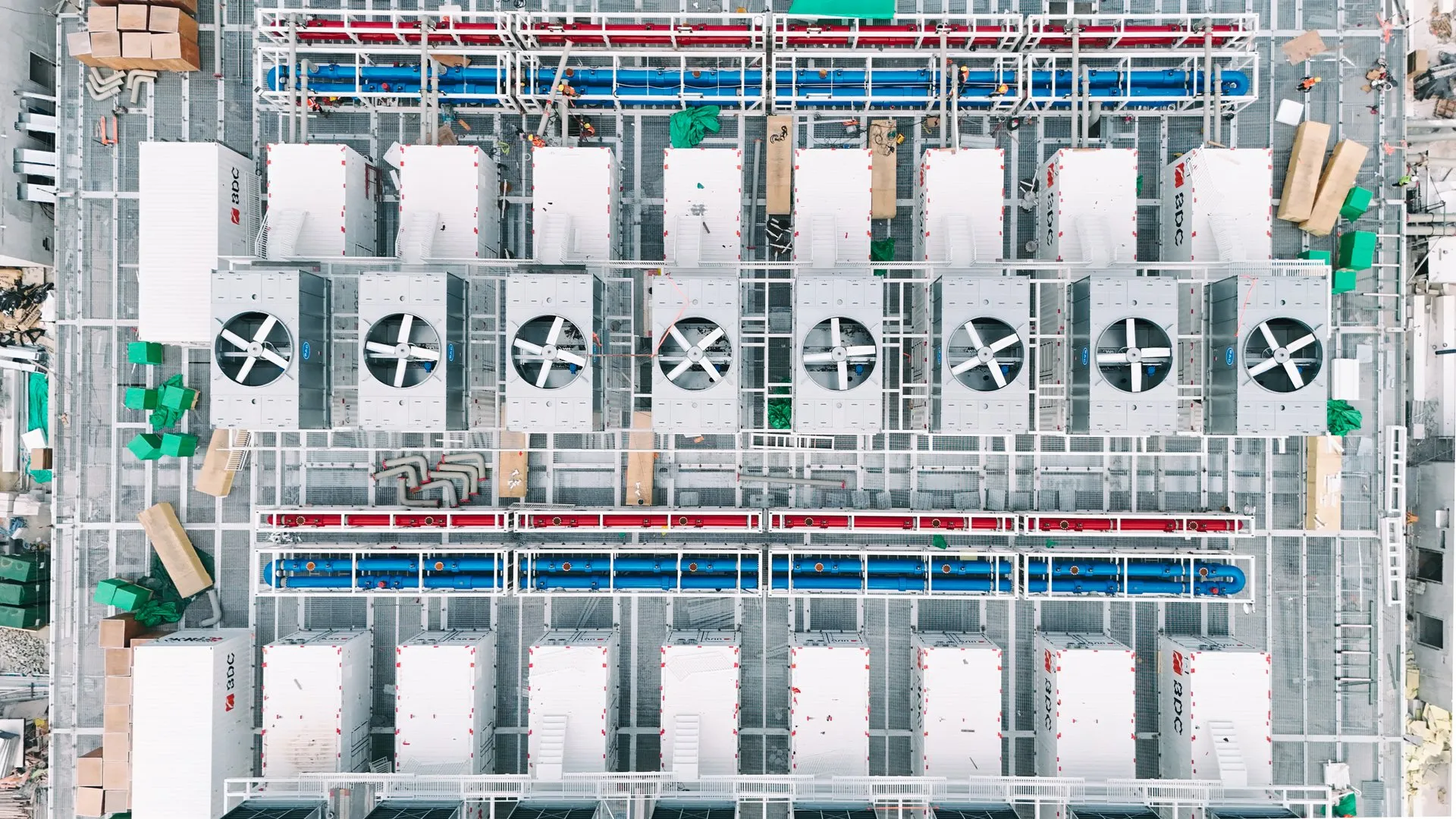
ByteDance is accelerating the efficient, high-quality construction of digital infrastructure across Southeast Asia through its landmark data center project in Johor, Malaysia. The project enables low-latency, high-reliability cloud services for regional users and sets a new benchmark for modular, green and intelligent data center development in the region.
About ByteDance
ByteDance is a global internet technology company centered on artificial intelligence, with a diverse portfolio of influential products covering content and information, short video, office collaboration and AI services. Its product ecosystem includes Toutiao, Douyin, TikTok, Xigua Video, Lark, Doubao, CapCut, PICO and DCar. Following a technology-driven globalization strategy and a localized operating philosophy, ByteDance delivers a consistent, premium product experience to users worldwide.
The company operates in more than 150 countries and regions, has a global workforce of approximately 150,000 employees, and its products have more than 1.9 billion daily active users. In the 2024 Hurun Global Unicorn Index, ByteDance was named the world's most valuable unicorn for the third consecutive year, with a valuation of RMB 1.56 trillion.
Strategic Johor Project Strengthens Southeast Asian Computing Capacity
Located in Johor, Malaysia, the project is a core computing infrastructure asset for ByteDance in Southeast Asia, with a total installed capacity of 25 MW. Bordering Singapore and endowed with abundant land and power resources, Johor has become a premier global destination for data center investment. ByteDance's continued investment in local computing infrastructure underlines its long-term commitment to the Southeast Asian market. The project is designed to deliver ultra-low-latency, highly available cloud services that significantly improve the digital experience of regional end users and enterprise clients.
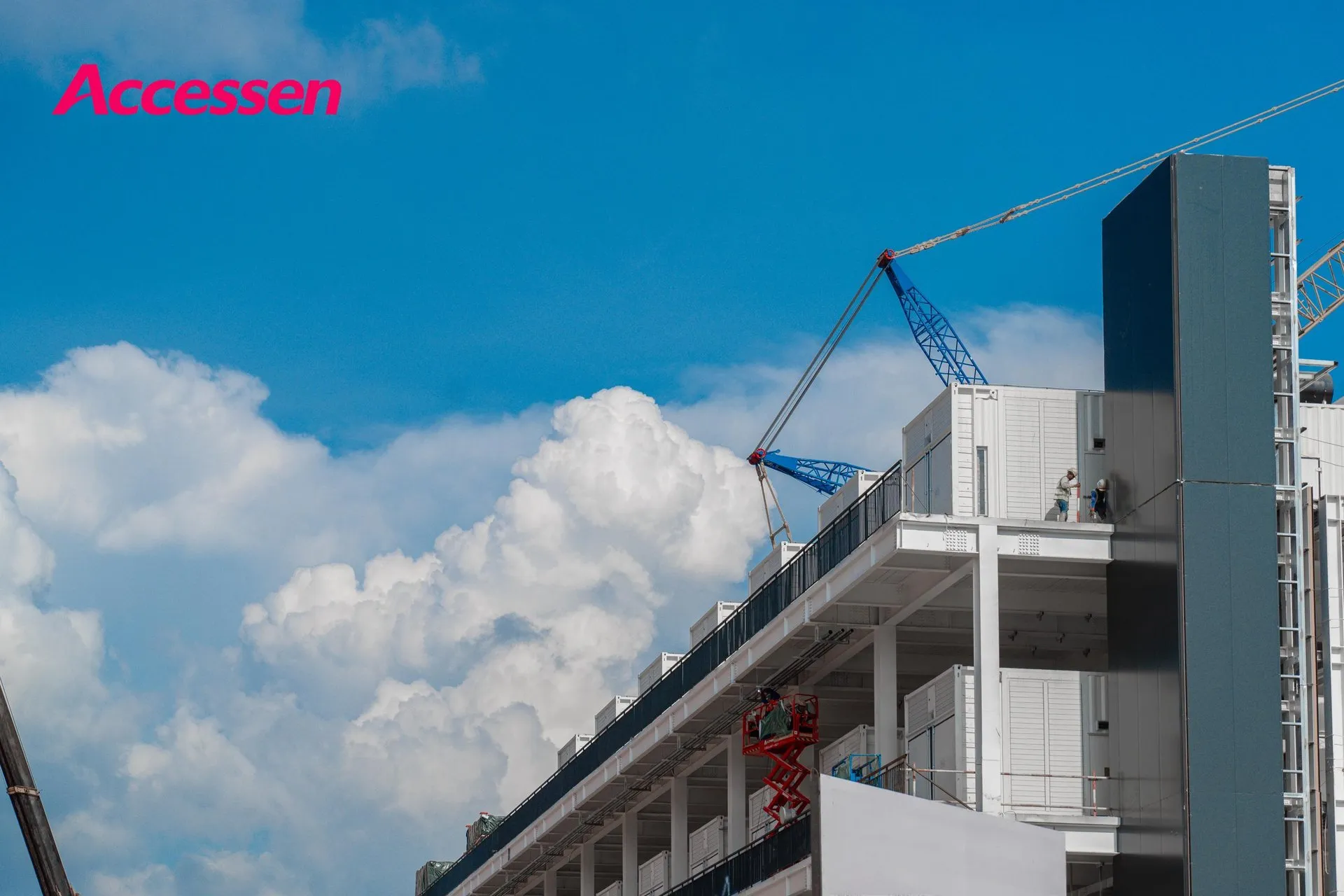
Prefabricated Integrated Cooling Station Solves Traditional Construction Pain Points
Traditional data center construction faces widespread challenges, including rising labor costs as demographic dividends fade, stricter construction and installation codes, and increasingly demanding environmental and low-carbon standards. In addition, Southeast Asia's hot and humid climate creates significant technical hurdles for cooling system design and on-site implementation, raising the bar for installation quality, schedule control and overall cost management.
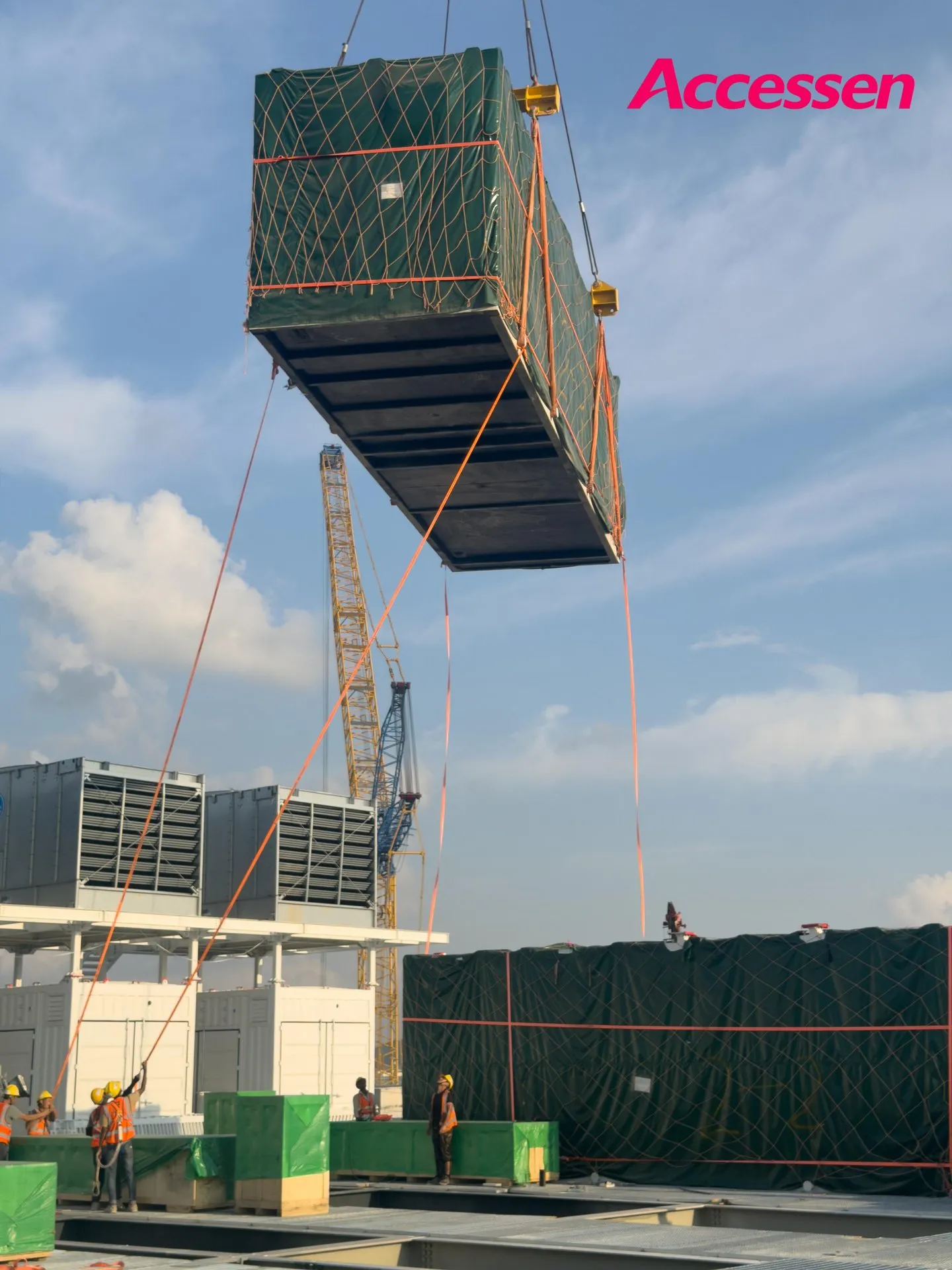
To address these challenges, the project uses an advanced prefabricated integrated cooling station based on a "factory prefabrication + on-site assembly" model. Core equipment integration, modular assembly and pre-commissioning are completed in the factory, enabling first-time-right installation on site and rapid commissioning. Optimized piping workmanship and standardized quality control keep the construction schedule, engineering quality and overall cost fully under control, giving the approach clear advantages over traditional construction methods for overseas data centers.
High-Redundancy Modular Design Ensures Very High Availability
The cooling system consists of closed cooling towers, cooling water circulation pumps, constant-pressure water make-up units and automatic chemical dosing units. All closed cooling towers are installed on rooftop equipment platforms to make full use of the building and minimize land use.
Each system uses a proven "3+1" redundant configuration (three duty units plus one standby), with each unit rated at 3,150 kW of cooling capacity, ensuring ample redundancy and high availability at full load. The circulation pumps, constant-pressure make-up units and dosing units are integrated into containerized hydraulic modules on the rooftop platforms, enabling plug-and-play modular deployment and simplified on-site construction.
Modular Solution Supports Green and Sustainable Data Centers
Because the cooling equipment, piping and control systems are integrated and pre-tested in the factory, the prefabricated integrated cooling station arrives on site as standardized modules ready for assembly. The solution offers shorter construction schedules, higher construction quality, a smaller footprint and lower overall cost. It also significantly reduces on-site resource consumption, construction waste, and water and electricity use, minimizing the environmental impact of data center construction.
This model supports the modular evolution and green operation of modern data centers, providing a replicable, low-carbon and sustainable technical solution for green data center construction worldwide.
Accessen Helps Lead Industry Standards with Proven Global Project Experience
Accessen has long been involved in the technical research and standardization of high-efficiency prefabricated integrated cooling stations. The company has helped draft a series of industry specifications, including the Technical White Paper on High-Efficiency Prefabricated Cooling Systems for Data Centers, the Technical Specification for Data Center Liquid Cooling Systems, the Design and Installation Atlas for Integrated Cooling and Heating Energy Stations, and the Prefabricated Design and Installation Standard for Cooling and Heating Plant Rooms, along with other guidelines on modular cooling and low-carbon operation.
As a leading provider of integrated cooling station solutions, Accessen has delivered more than 50 prefabricated cooling station projects in China and abroad. Its core technologies have been recognized by industry institutions and trusted by leading Chinese companies and global cloud service providers.
Future AI Data Centers: Standardized Industrial Products, Not Custom Buildings
The next generation of AI data centers will move away from traditional custom building and engineering models. Built around a "Power Block + Cooling Block" architecture, future data centers will become standardized industrial products assembled from mass-produced modules. With standardized design, factory manufacturing, modular delivery and global replicability, this model will reshape how large-scale AI computing infrastructure is built and support the rapid growth of the global digital and AI industries.