
How do I know if my heat exchanger is clogged?
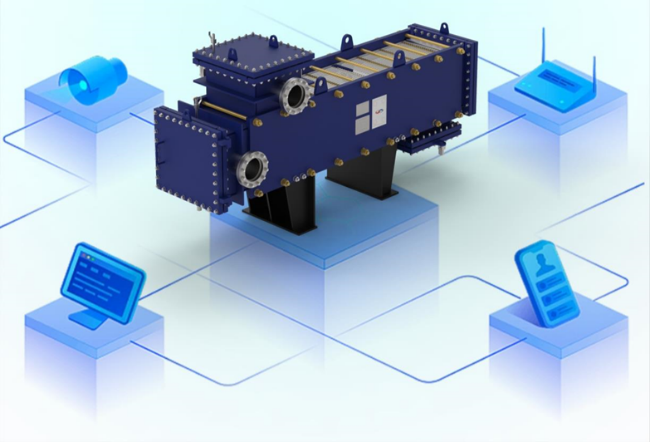
Heat exchangers are important components in a variety of industrial applications, providing efficient heat transfer between two fluids. Among them, welded plate heat exchangers stand out for compact design and high thermal efficiency. However, like any mechanical system, they can experience problems, including clogging. Knowing how to identify a clogged welded plate heat exchanger is critical for maintaining optimal performance and preventing costly downtime.
Signs of Clogging in Welded Plate Heat Exchangers
- Reduced heat transfer efficiency: One of the first indicators of a clogged plate heat exchanger is a significant decrease in heat transfer efficiency. If the outlet temperature of the heating or cooling fluid is not as expected, the flow path inside the plates may be blocked.
- Increased pressure drop: A clogged heat exchanger usually causes an increased pressure drop across the unit. If pressure readings are higher than normal, flow may be restricted by debris or fouling inside the plates.
- Unusual noises: If a welded plate heat exchanger begins making unusual noises, such as gurgling or knocking, cavitation or fluid turbulence caused by restricted flow may be occurring. This can be a direct result of blockage and should be investigated immediately.
- Frequent maintenance intervals: If the heat exchanger requires maintenance more frequently than usual, it may indicate an underlying problem, including clogging. Regular maintenance is important, but increased frequency may show that the system is not operating efficiently.
- Visual inspection: If possible, visually inspect the heat exchanger. Although welded plate heat exchangers are not designed for easy disassembly, visible corrosion, scaling, or deposits on the outside may indicate internal problems. If the plates can be accessed, check for visible clogging or buildup.
Preventive Measures
To avoid clogging in welded plate heat exchangers, consider the following preventive measures:
- Periodic cleaning: Schedule regular cleaning based on the application and handled fluids. This helps remove buildup before it becomes a serious problem.
- Fluid filtration: Install filters upstream of the heat exchanger to capture debris and particles that may cause clogging. This is especially important in systems where the fluid may contain solids.
- Monitor operating conditions: Pay close attention to flow rate and temperature. Sudden changes may indicate underlying problems that could lead to clogging.
- Use appropriate fluids: Ensure that fluids used in the heat exchanger are compatible and free of contaminants. Using the correct fluid can significantly reduce scaling risk.
Conclusion
Early identification of clogged welded plate heat exchangers can save time, money, and resources. By understanding the signs of blockage and taking preventive measures, you can ensure that the heat exchanger operates efficiently and effectively. Regular monitoring and maintenance are key to extending equipment life and maintaining optimal performance. If you suspect that a heat exchanger is clogged, consult a professional to assess the situation and take appropriate action.