
Huaneng Changchun: Recovering Flue Gas Heat to Heat More Homes Without a New Boiler
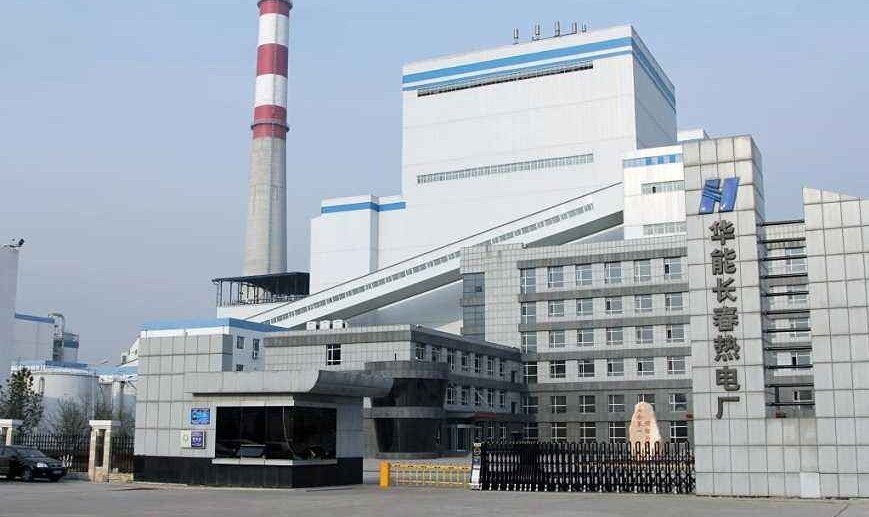
In northern China, demand for winter heating keeps growing, and many combined heat and power (CHP) plants have already reached the limit of their boilers. Building a new boiler to heat more homes means a large investment, long approval times and tight limits on carbon and pollutant emissions. The Huaneng Changchun Thermal Power Plant shows another way: recovering heat that was leaving through the stack.
The Plant
The Huaneng Changchun Thermal Power Plant is in Helong Town, Nong'an County, Jilin Province, 18 km north of the centre of Changchun. It was built by Huaneng International Power Development Corporation, part of China Huaneng Group, one of China's five largest power generation groups, and has a planned capacity of four 300 MW units. As a CHP plant, it supplies heating to about 11 million m² of buildings in parts of Changchun. Like most CHP plants, it faced rising heating demand and pressure to cut emissions from burning coal.
Why Conventional Expansion Is Hard
Most heat suppliers respond to new heating demand by adding boilers or burning more coal. Both have clear drawbacks:
- Capital cost and time. A new boiler needs flues, auxiliary equipment and civil works, and takes years to build, while heating demand rises every year.
- Emissions. More coal means more pollutants in the flue gas, and emission permits are increasingly hard to obtain.
- Fuel cost. Coal prices fluctuate, and more coal directly raises operating costs.
Some plants modify their steam turbines to extract more steam for heating. But work on the turbine itself is risky, an outage for the modification affects winter heating, and afterwards the plant has to balance power and heat output, which can make the unit unstable at low load.
The Heat Left in the Flue Gas
Flue gas leaving a coal-fired boiler is typically at 120 to 150 °C. A great deal of heat goes up the stack with it. Many plants have recovered high-temperature heat for years but left the low-temperature heat in the flue gas unused.
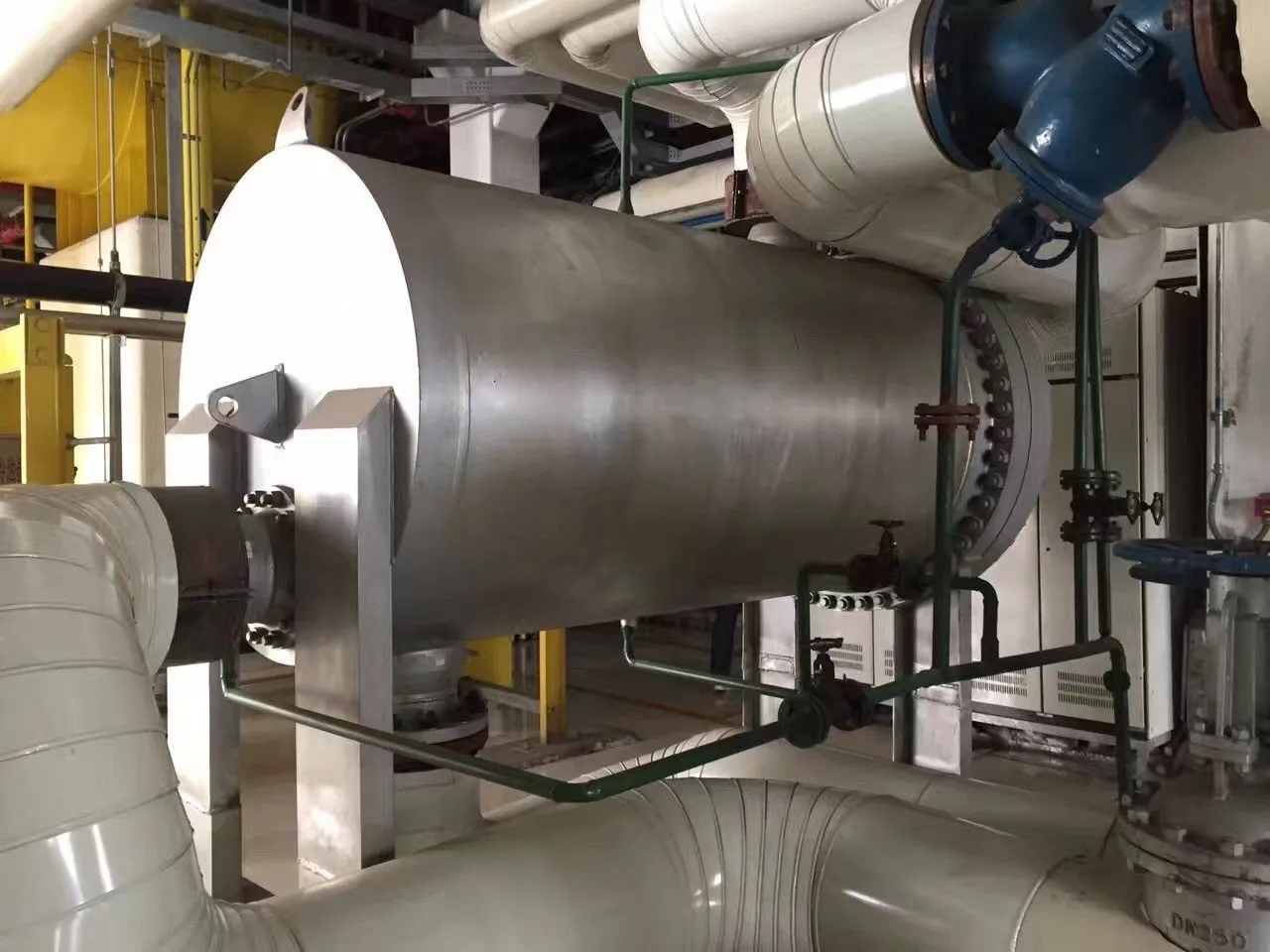
At Huaneng Changchun, a low-temperature economizer was installed in the flue duct at the back end of the boiler. Heat medium water at about 70 °C flows through it and cools the flue gas from 120–150 °C to 85–100 °C, and the water itself is heated to about 110 °C. The hot water then passes through Accessen AWPS series plate-and-shell heat exchangers, which deliver the heat where it is needed:
- In summer, it heats the condensate in the boiler feedwater system, so the turbine needs less extraction steam for feedwater heating and the unit generates power more efficiently.
- In winter, it heats the return water of the district heating network, turning heat that used to go up the stack into a heat source that increases the heating area the plant can supply.
Plant Safety and Seasonal Switching
Plants often worry that adding heat exchange equipment will cause corrosion or ash buildup in the flue duct, or make the summer-winter switchover hard to control and disturb power generation. The design took the cold winters of northeast China into account and kept the temperatures within a controlled range to avoid low-temperature corrosion. The system switches the destination of the recovered heat with the season: outside the heating season it returns to the boiler feedwater system to support power generation, and in the heating season it goes to the heating network. The plant does not have to sacrifice either power or heat.
The choice of heat exchanger largely decides how well such a retrofit performs over the long term. The plate-and-shell design handles a wide temperature range and the demanding conditions of a flue gas heat recovery system, and it is compact enough to fit in the limited space of a power plant. The retrofit therefore did not require major demolition of existing buildings, which reduced the impact of construction on operation.
The Benefits
- More heating without a new boiler. The existing boilers and turbines supply the recovered heat, easing the pressure to expand heating capacity.
- Lower emissions. A lower flue gas temperature improves the operating conditions of the downstream dust collectors and helps reduce pollutant concentrations.
- No extra coal. Heating output rises without a matching rise in coal consumption, which limits carbon emissions.
For other CHP plants in northern China, the case shows that heating shortfalls do not always call for new capacity. Recovering the energy that existing systems throw away can serve the plant's finances, residents' heating and environmental targets at the same time.
What to Check Before a Similar Retrofit
Before starting such a project, a plant should:
- Complete a heat balance of the unit and confirm that there is space in the flue duct for the economizer.
- Assess the coal quality and the actual flue gas temperature, and size the heat exchange equipment for them.
- Plan the control logic for both summer and winter operation, so the switchover between heating and non-heating seasons is smooth.
- Assess maintenance needs and build the maintenance plan into the design from the start.
For CHP plants that need more heating capacity, Accessen recommends assessing the heat recovery potential of the flue gas first, as it is often more cost-effective than building a new boiler.