
How to choose air heat exchanger and air-cooled heat exchanger suppliers in China? Fin tube, fan, environment and maintenance checklist
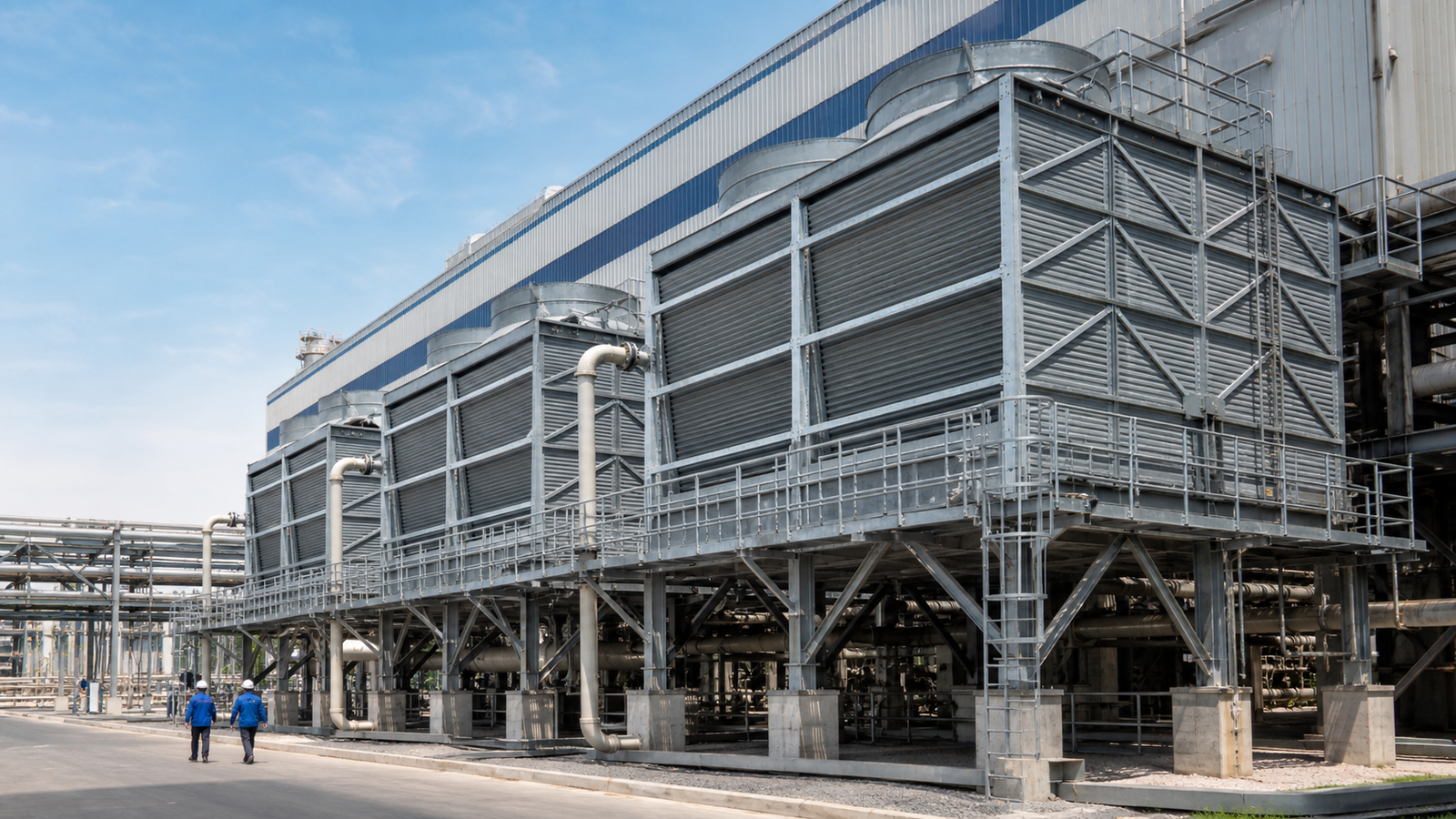
Air heat exchanger is an easily confused purchasing term. It may refer to air heaters in hot air drying equipment, to air-cooled heat exchangers for process cooling, to HVAC coils, air radiators, or finned tube coolers. The design focus of different products is completely different: some focus on steam or hot water heating air, some focus on air cooling oil or process gas, some focus on fans, motors and noise, and some focus on anti-corrosion and outdoor operation.
You can refer to air heat exchanger, air radiator and Plate air preheater and other product pages. When enquiring, you can clearly state the functions of the equipment, such as air heating, process fluid cooling, outdoor air cooling or HVAC coils, so that it is easier for suppliers to provide feedback based on the same goal.
1. Define device functions first
The air side equipment can first indicate whether it is "heating air" or "cooling process medium". If it is an air heater, it is recommended to write down whether the heat source is steam, hot water, thermal oil or electric heating, what is the air flow rate and the inlet and outlet temperature. If it is an air-cooled heat exchanger, it is recommended to supplement the medium in the tube, heat load, environmental design temperature, installation location, fan type and noise limit.
| Equipment types | Common uses | Key points for inquiry |
|---|---|---|
| Air heater | Drying, warm air, process hot air | Air volume, heat source, fins, cleaning |
| Air coolers | Cooling oil, water, process fluids | Pipes, fans, ambient temperature |
| Air-cooled heat exchanger | Petrochemical, energy, outdoor cooling | Fans, motors, anti-corrosion, noise |
| HVAC Coils | Air Conditioning System Heating or Cooling | Coil Performance, System Matching |
2. Air side data is more important than many buyers think
The air heat exchanger not only exchanges heat between the media in the tube, but also the air side resistance, fin spacing, air flow, inlet temperature, humidity, dust, installation direction and cleaning method will affect the performance. It is recommended to state in the inquiry information whether the on-site air contains dust, oil mist, fiber, salt mist or corrosive gas, and indicate whether the plan is to use compressed air, water washing, online filtration or shutdown for manual cleaning.
3. Fin tubes and materials are the core
Heat transfer is generally weaker on the air side than on the liquid side, so fin construction is critical. Purchasers can inquire about fin materials, tubing, fin connection methods, fin spacing, thickness, anti-corrosion coatings and cleanability. For clean indoor air, denser fins can be used; for dust, fibers, oil mist or outdoor environments, too dense fins will increase the risk of blockage.
| Working conditions | Material/structural concerns |
|---|---|
| Steam heated air | Pipe side pressure, condensate discharge, water hammer |
| Hot water or thermal oil | Pipe materials, pressure levels, risk of leakage |
| Seaside Outdoors | Salt Spray Corrosion, Coatings, Fasteners |
| Dust air | Fin spacing, cleaning channels, filtration |
| Low temperature environment | Winterization, antifreeze, drainage |
4. Fans, motors and noise need to be confirmed in advance
For air-cooled heat exchangers, the fan and motor are not accessories, but part of the performance. It is recommended to explain the power supply voltage, explosion-proof requirements, noise limits, fan type, frequency conversion or not, maintenance platform, wind direction and installation height. Fan selection affects air volume, noise, energy consumption and maintenance safety. For petrochemical and energy projects, many buyer specifications will also address API 661 or similar industry requirements; the availability of such standards can be clarified in the inquiry form.
5. Anti-corrosion and cleaning determine life span
Common problems with air-side equipment include dust accumulation on the fins, corrosion, dirt outside the tubes, scale inside the tubes, fan failure and poor drainage. DOE information on fouling and scaling states that insulating films on heat exchange surfaces can increase equipment energy consumption; clogged air side fins can also reduce heat transfer and increase wind resistance. It is recommended to specify the cleaning method in the inquiry information: compressed air, water washing, chemical cleaning, manual cleaning during shutdown, or online filtration.
6. What does the supplier’s quotation suggestions include?
The air heat exchanger quotation proposal includes heat load, air volume, air inlet and outlet temperature, medium parameters in the tube, materials, fin structure, fan motor specifications, noise estimation, overall dimensions, weight, nozzle, installation method, anti-corrosion plan, inspection items and delivery documents. If the quotation only states "a few rows and columns" or a unit price, the purchaser will need to confirm the performance boundary later.
7. Procurement suggestions
If you are purchasing an air heater for drying, you can focus on reviewing the air volume, heat source, fins and cleaning. If you are purchasing a process air-cooled heat exchanger, you can focus on reviewing the ambient temperature, fan, motor, tube bundle, noise and anti-corrosion. If purchasing HVAC coils, this can be determined in conjunction with system load, coil size, air volume, and installation space. You can submit air-side and pipe-side data through Inquiry Form, allowing suppliers to provide feedback based on the same set of conditions.
8. It is recommended to supplement the environmental conditions for air cooler price inquiry
The performance of an air-cooled heat exchanger or air heat exchanger is greatly affected by ambient air temperature, altitude, wind direction, noise limitations, fan configuration, tube bundle materials and site layout. In addition to the heat load, it is recommended that buyers try to provide the design ambient temperature, maximum ambient temperature, installation area, whether it is outdoors, whether there is dust or corrosive air, allowable noise, power supply conditions, maintenance access and installation space. For cold regions, antifreeze and low-temperature starting requirements can also be stated.
The air heat exchanger and air radiator product pages on the site can be used as product entrances, but specific projects still need to be judged based on working conditions. The relationship between air coolers and water-cooled heat exchangers is not a simple substitution: air coolers can reduce cooling water dependence, but equipment area, fan energy consumption, noise and ambient temperature sensitivity need to be evaluated. If the purchaser wants to use air coolers instead of cooling towers or water-cooling equipment, they can ask the supplier to explain the performance boundaries at the highest temperature in summer.
9. What does the supplier’s quotation suggestions include?
It is recommended that the air cooler quotation list the tube bundle material, fin material, number of fans, fan power, motor requirements, design temperature, design pressure, test method, noise assumption, overall dimensions, weight, installation method and coating packaging. For petrochemical or natural gas projects, API 661 or project specification requirements may also be involved; for general industrial cooling, it may also be clarified whether third-party inspection and English documentation are required.
Purchasers should pay special attention to ambient temperature assumptions when comparing quotes. If a supplier selects models based on lower ambient temperatures, the price may be lower, but the actual summer capacity will be insufficient. It also depends on whether the fan, motor and control range are consistent. It is recommended to write in the additional instructions on the inquiry form: "Please list the design ambient temperature, fan configuration, noise assumptions, tube bundle material, fin material, power and external dimensions." These fields can significantly improve the comparability of quotations.
10. On-site confirmation issues for air cooler projects
Before sending the final purchase order, it is recommended to confirm the site conditions again. The layout of the air cooler will affect the air inlet, exhaust and inspection space. If the equipment is installed on the roof, steel platform, outdoor ground or narrow equipment area, the supplier needs to know the available area, lifting restrictions, foundation conditions and surrounding heat sources. If there are multiple devices running side by side on site, you can also pay attention to hot air return and maintenance channels. The purchaser can upload the site plan or photos so that the supplier can first judge whether the appearance and fan layout are reasonable during the quotation stage.
Control requirements must also be clarified. Simple projects may only require fixed-speed fans, while complex projects may require frequency conversion, group control, temperature interlocking or low-temperature protection. Depending on the control scope, the quotation will vary greatly. In order to avoid additional costs later, you can clearly indicate the power supply, motor protection level, whether a control cabinet is needed, whether instruments are needed, and whether there are requirements for explosion-proof areas in the inquiry form. For export projects, voltage frequency, documentation language and spare parts list can also be stated during the inquiry.
Data sources and site links
- AHRI Standards & Guidelines: https://www.ahrinet.org/standards
- DOE on the impact of heat exchange surface fouling and energy consumption: https://www.energy.gov/cmei/femp/water-efficient-technology-opportunity-side-stream-filtration-cooling-towers
- HeatEx Direct air heat exchanger: https://heatexdirect.com/products/siping-viex-heat-exchange-equipment-co-ltd/air-heat-exchanger
- HeatEx Direct air radiator: https://heatexdirect.com/products/siping-viex-heat-exchange-equipment-co-ltd/air-radiator
- HeatEx Direct plate air preheater: https://heatexdirect.com/products/shanghai-heat-transfer-equipment-co-ltd/plate-air-preheater