
Air Heat Exchanger
The air heat exchanger is the main equipment in devices that cool or heat air with hot and cold media. It can heat air with high-temperature water, steam, or high-temperature heat transfer oil, and cool air with brine or low-temperature water. Finned tubes are the core heat transfer component, and the product is especially suited to hot air heating, air conditioning, cooling, condensation, dehumidification, and drying, particularly where water is scarce.
Product Details
What does the product do?
It is used as the main heat exchange equipment for cooling or heating air, including hot air heating, air conditioning, cooling, condensation, dehumidification, and drying applications.
What design points does ViEX emphasize?
The key component is the finned tube, most often the DR-type bimetal rolled finned tube. The design is compact, with a large heat transfer area per unit volume and reliable long-term corrosion resistance.
Key Advantages
Technical Specifications
| Fin materials | Aluminum alloy; Copper; Carbon steel; Stainless steel |
|---|---|
| Finned tube types | Wound L type; Bimetal rolled DR type; Embedded G type; Welded type |
| Gas side pressure | Within ±20kPa(g) |
| Tube side pressure | Less than or equal to 2.5MPa |
| Base tube materials | Carbon steel; Copper; Titanium; Stainless steel |
Other Products From This Manufacturer
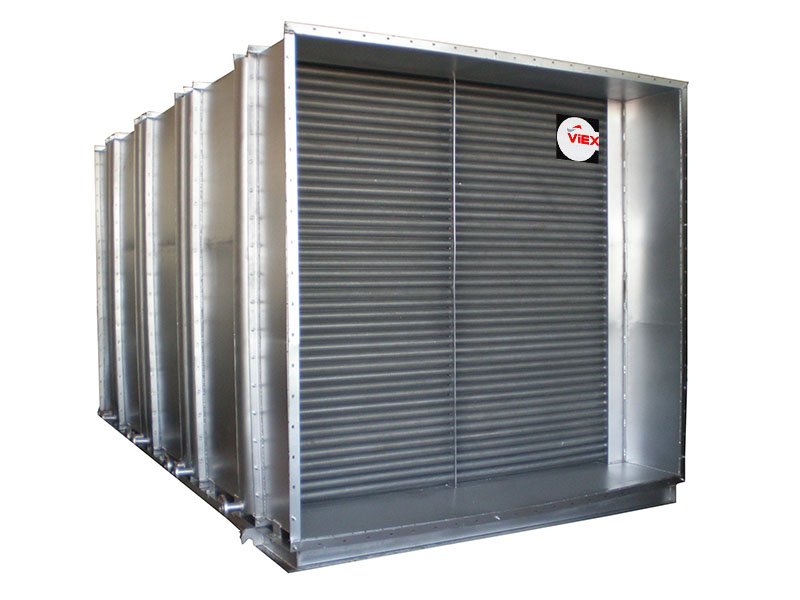
Air Radiator
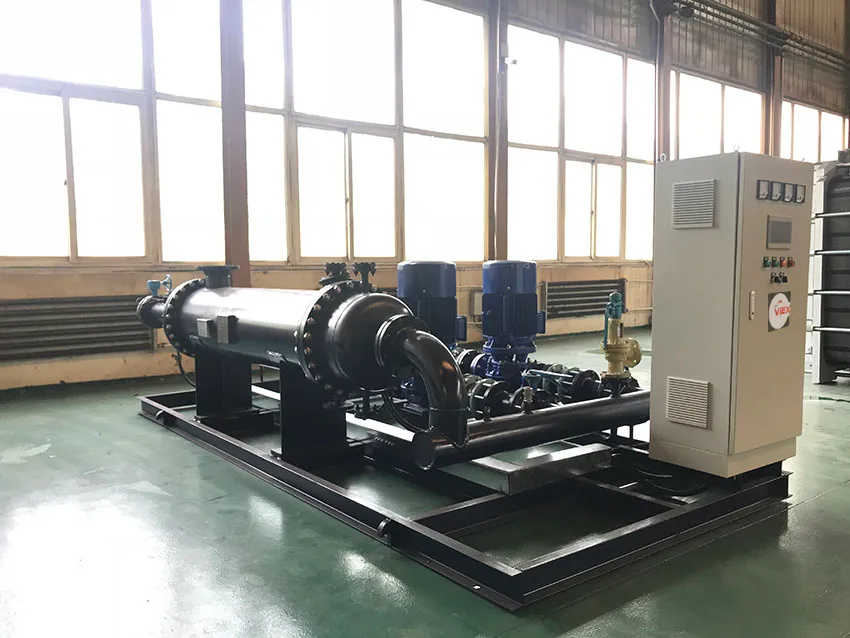
Heat Exchanger Unit

Plate Heat Exchanger
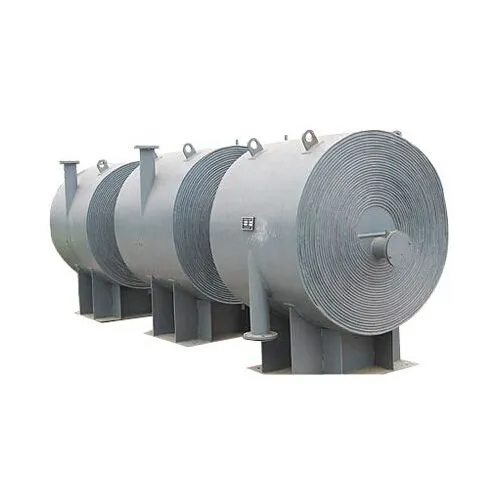
Spiral Plate Heat Exchanger
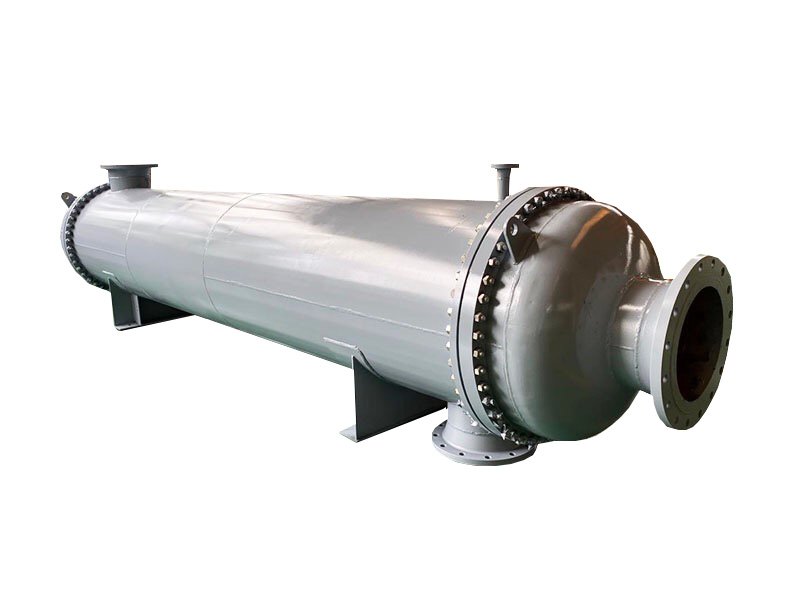
Tubular Heat Exchanger
Quote readiness for this product
Prepare a request that is easier to follow up for Air Heat Exchanger
For smoother quotation follow-up, share real operating conditions, quantity, standards, materials, and project timing.
Information that helps follow-up
Operating data:Media, flow, inlet/outlet temperatures, pressure, and heat load.
Mechanical limits:Material, design code, flange standard, pressure rating, and corrosion concerns.
Commercial context:Quantity, target delivery time, destination, and project stage.