

Plate Heat Exchanger
ViEX plate heat exchangers are detachable plate heat exchangers used for heating, cooling, evaporation, condensation, sterilization, and heat recovery. The official product page highlights high heat transfer efficiency, low resistance loss, compact structure, sensitive temperature control, convenient assembly and disassembly, and long service life. It also states that under the same pressure drop, the heat transfer coefficient can reach 3 to 5 times that of shell-and-tube heat exchangers, the footprint can be about one third, and the metal consumption about two thirds, with average temperature difference as low as 1 degree Celsius.
Product Details
Where is the product used?
The official page lists heating, cooling, evaporation, condensation, sterilization, and heat recovery duties, and says the product is widely used in petroleum, chemical engineering, metallurgy, mining, electric power, nuclear power, central heating, shipping, pharmaceuticals, food, electronics, automotive, light textile, and papermaking industries.
What variants does ViEX highlight?
ViEX highlights detachable plate heat exchangers for central heating, nuclear power, air conditioning and refrigeration, beverage processing, metallurgy, petrochemicals, and removable wide-channel duties.
Key Advantages
Technical Specifications
| Series | V series detachable plate heat exchangers |
|---|---|
| Footprint | About one third of shell-and-tube heat exchangers |
| Standards | NB/T47004.1-2017; GB16409-1996 |
| Metal consumption | About two thirds of shell-and-tube heat exchangers |
| Heat transfer coefficient | 3-5 times shell-and-tube heat exchangers under the same pressure drop |
| Minimum average temperature difference | As low as 1℃ |
Other Products From This Manufacturer
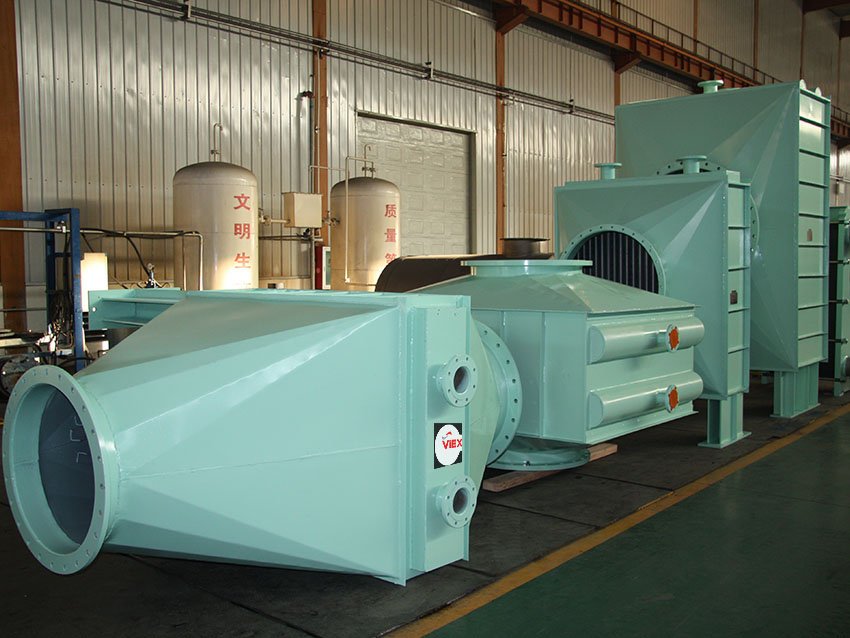
Air Heat Exchanger
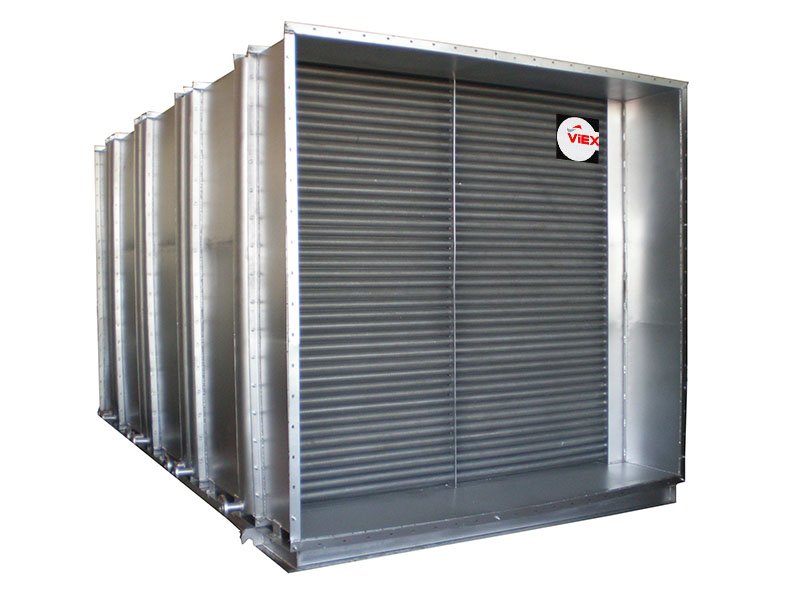
Air Radiator
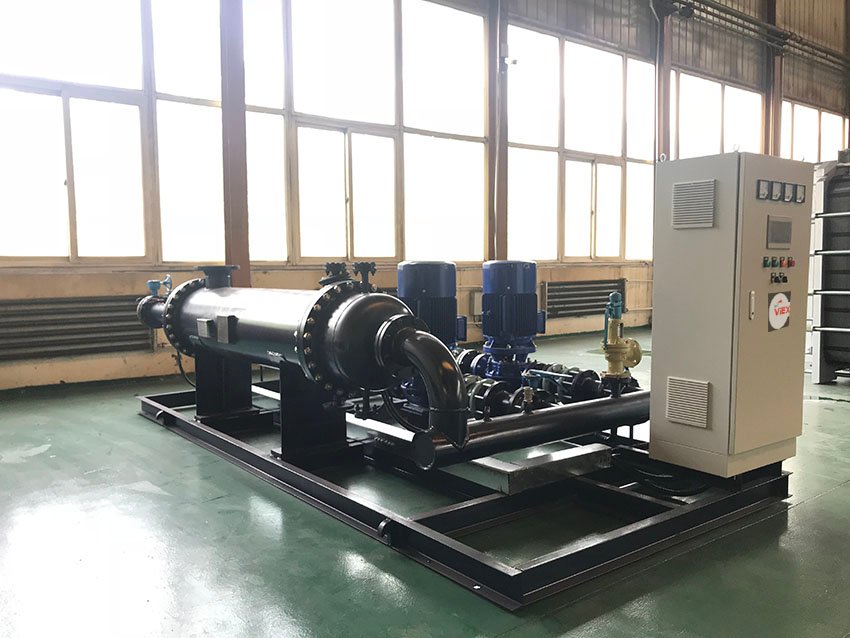
Heat Exchanger Unit
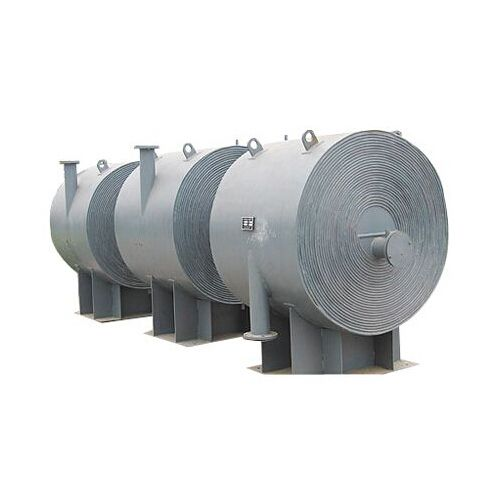
Spiral Plate Heat Exchanger
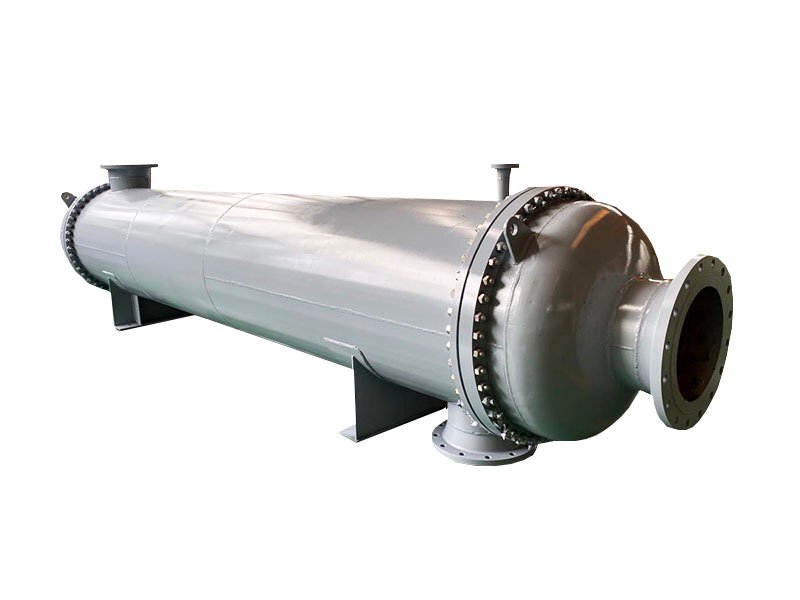
Tubular Heat Exchanger
Quote readiness for this product
Prepare a request that is easier to follow up for Plate Heat Exchanger
For smoother quotation follow-up, share real operating conditions, quantity, standards, materials, and project timing.
Information that helps follow-up
Operating data:Media, flow, inlet/outlet temperatures, pressure, and heat load.
Mechanical limits:Material, design code, flange standard, pressure rating, and corrosion concerns.
Commercial context:Quantity, target delivery time, destination, and project stage.