

Tubular Heat Exchanger
ViEX’s tubular heat exchanger is a shell-and-tube heat exchanger with mature design, manufacturing, inspection, and maintenance technology, a wide choice of materials, and broad operating conditions. The company holds Chinese D1 and D2 pressure vessel design and manufacturing licenses and focuses on enhanced shell-and-tube exchangers using arc tubes, corrugated tubes, spiral tubes, plasma tubes, three-dimensional rib tubes, baffle tubes, and spiral baffles to improve efficiency and reduce pressure loss.
Product Details
How does ViEX classify the product?
There are four main structural types: fixed tubesheet, U-tube, floating head, and stuffing box shell-and-tube heat exchangers.
What industries are highlighted?
Main application areas include petroleum refining, chemical industry, electric power, metallurgy, and water conservancy.
Key Advantages
Technical Specifications
| Licenses | Pressure vessel D1 and D2 design and manufacturing licenses |
|---|---|
| Standards | ASME; GB150; GB151; GB/T151-2014; TSG21-2016 |
| Product types | Fixed tubesheet; U-tube; Floating head; Stuffing box |
| Enhanced elements | Arc tube; Corrugated tube; Spiral tube; Plasma tube; 3D rib tube; Baffle tube; Spiral baffle plate |
Other Products From This Manufacturer
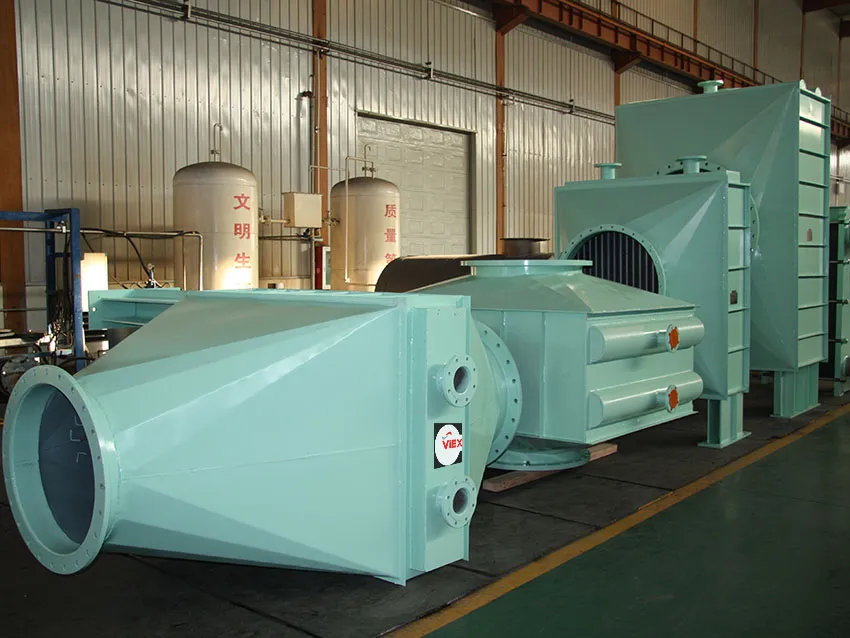
Air Heat Exchanger
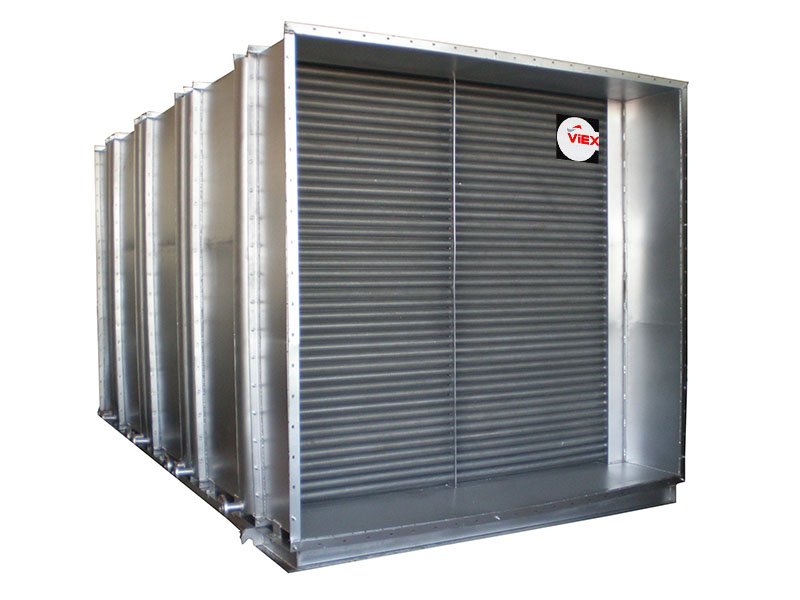
Air Radiator
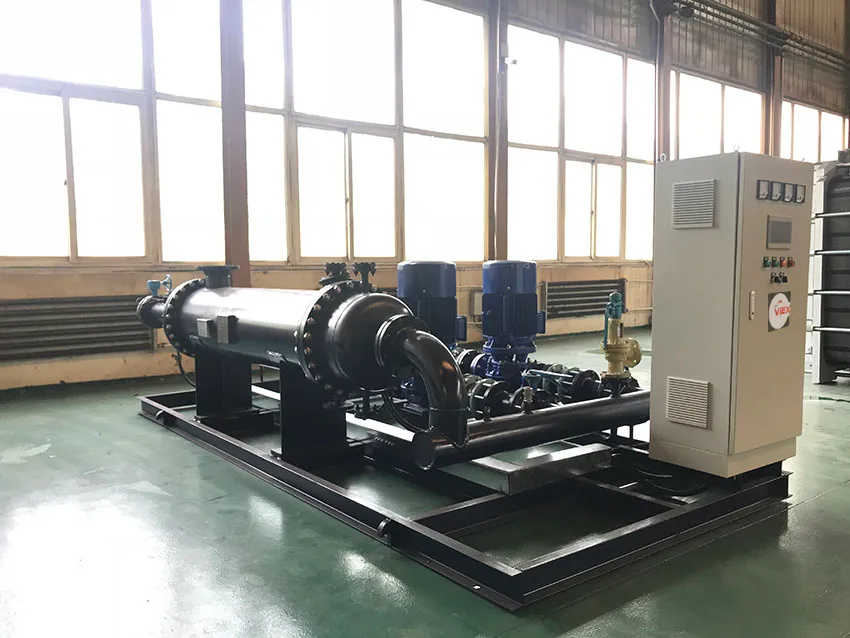
Heat Exchanger Unit

Plate Heat Exchanger
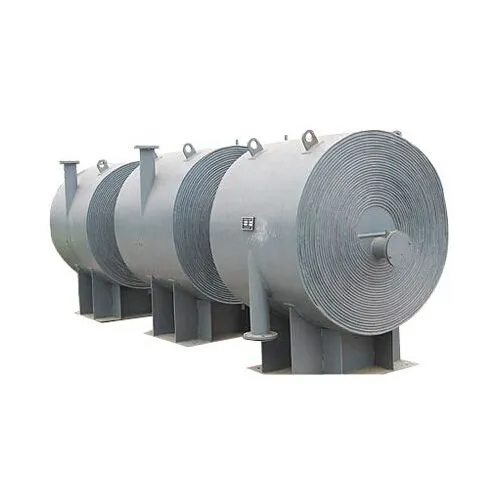
Spiral Plate Heat Exchanger
Quote readiness for this product
Prepare a request that is easier to follow up for Tubular Heat Exchanger
For smoother quotation follow-up, share real operating conditions, quantity, standards, materials, and project timing.
Information that helps follow-up
Operating data:Media, flow, inlet/outlet temperatures, pressure, and heat load.
Mechanical limits:Material, design code, flange standard, pressure rating, and corrosion concerns.
Commercial context:Quantity, target delivery time, destination, and project stage.