

Semi-Welded Plate Heat Exchanger
A semi-welded plate heat exchanger combines welded plate cassettes with gasketed joints between cassettes. The welded channel contains aggressive, toxic, refrigerant, or higher-pressure media, while the gasketed channel remains openable for cleaning and maintenance. This balance is useful in ammonia refrigeration, chemical cooling, petrochemical, HVAC, pharmaceutical, food, marine, oil and gas, and power-generation services.
Product Details
Two-side strategy
The welded side handles the more demanding fluid, while the gasketed side keeps maintenance access for water, glycol, or other service media.
Typical selection checks
Confirm which fluid belongs on the welded side, gasket compatibility, cleaning method for both sides, allowable pressure drop, and ammonia or hazardous-fluid safety requirements.
Key Advantages
Technical Specifications
| Materials | Stainless steel, titanium, Hastelloy, and gasket materials matched to media |
|---|---|
| Service side | One welded channel and one gasketed openable channel |
| Plate cassette | Paired plates laser-welded into semi-welded cassettes |
| Design pressure | Typically up to 25-30 bar by duty and configuration |
| Design temperature | Typically up to 200°C by gasket and material selection |
| Typical applications | Ammonia refrigeration, acid cooling, chemical loops, petrochemical, HVAC, marine, oil and gas, and power auxiliaries |
Other Products From This Manufacturer
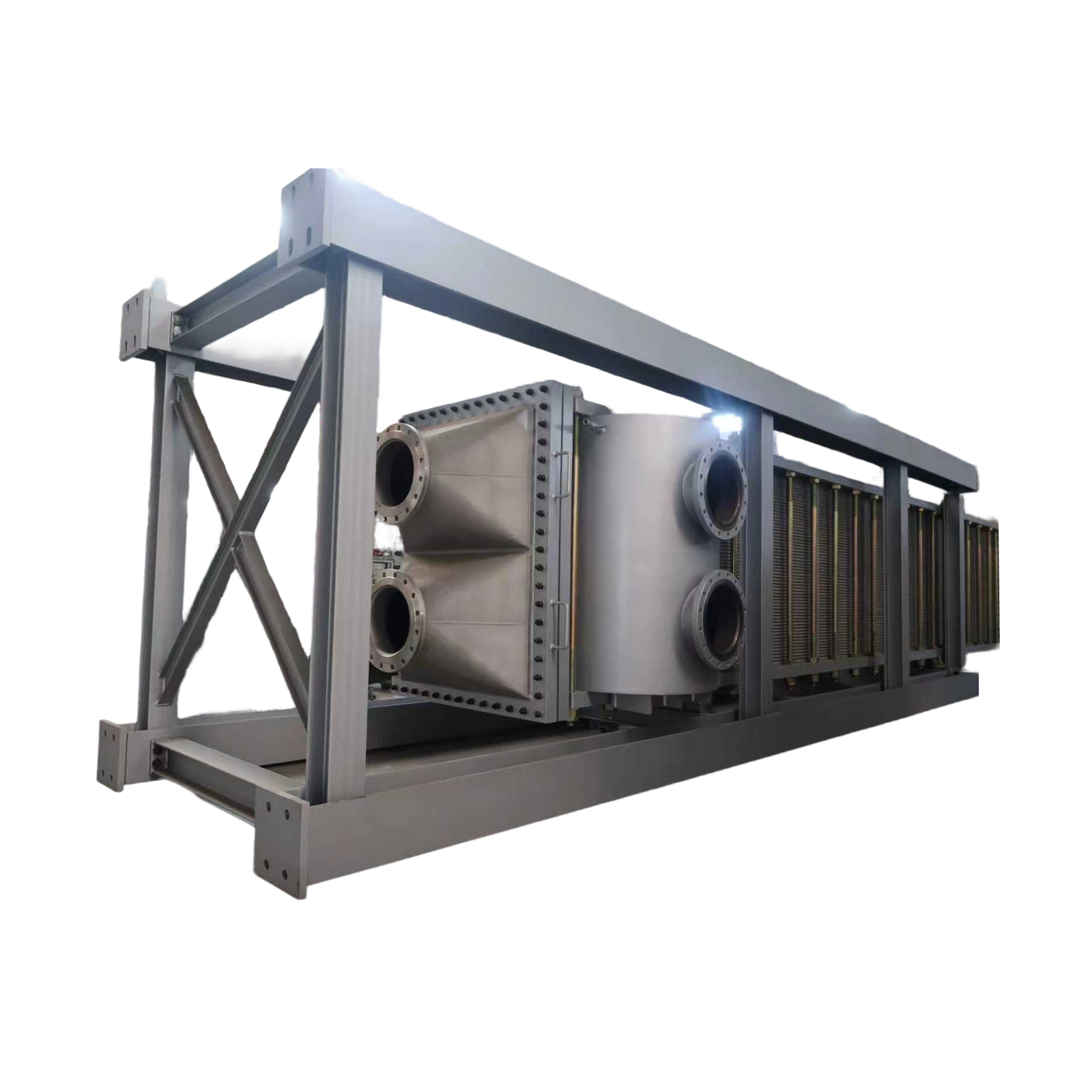
Fully Welded Plate Heat Exchanger
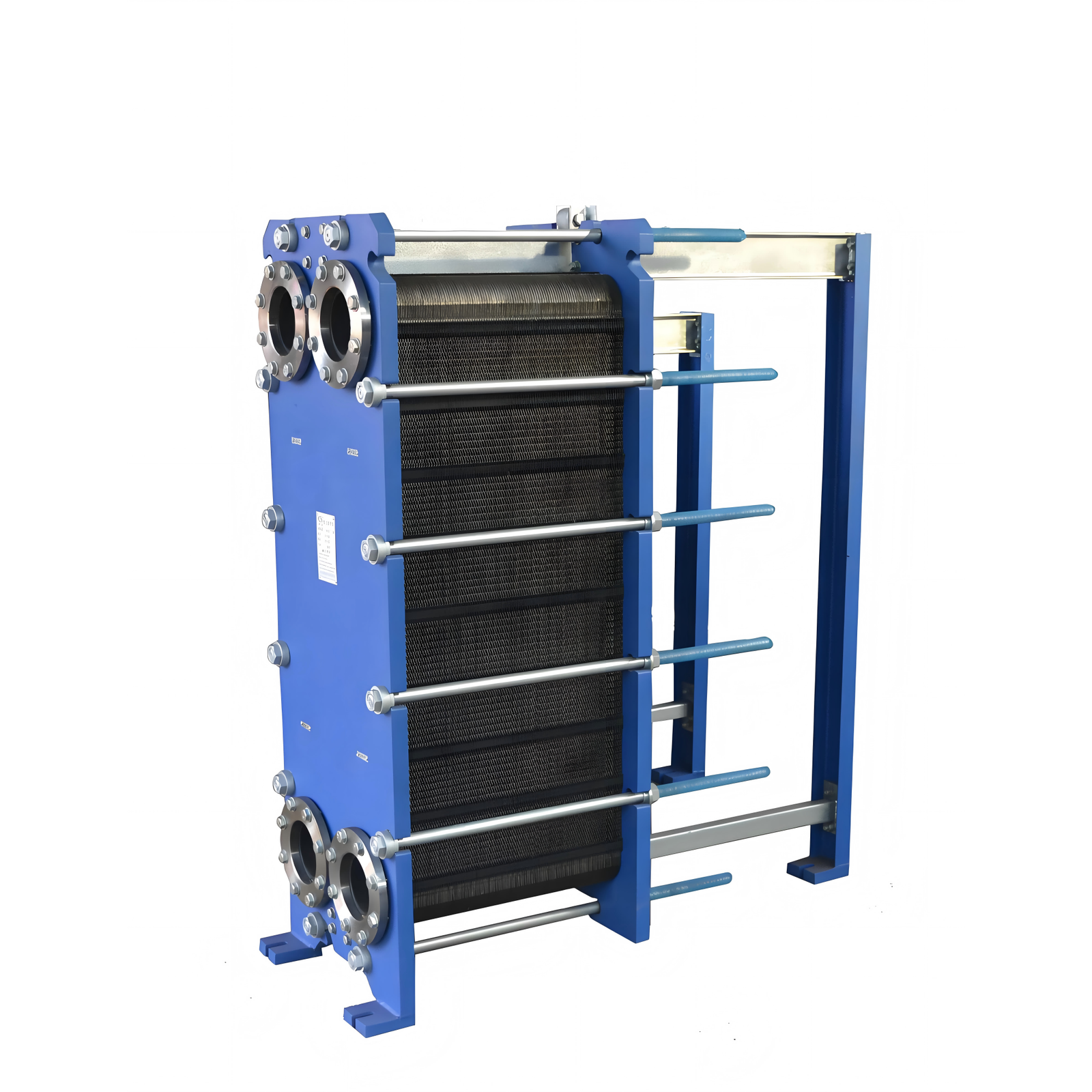
Gasketed Plate Heat Exchanger (PHE)
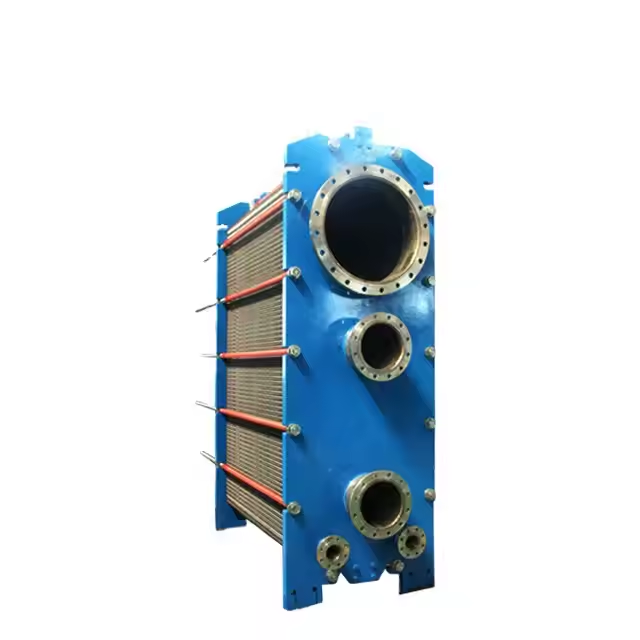
Plate Condenser
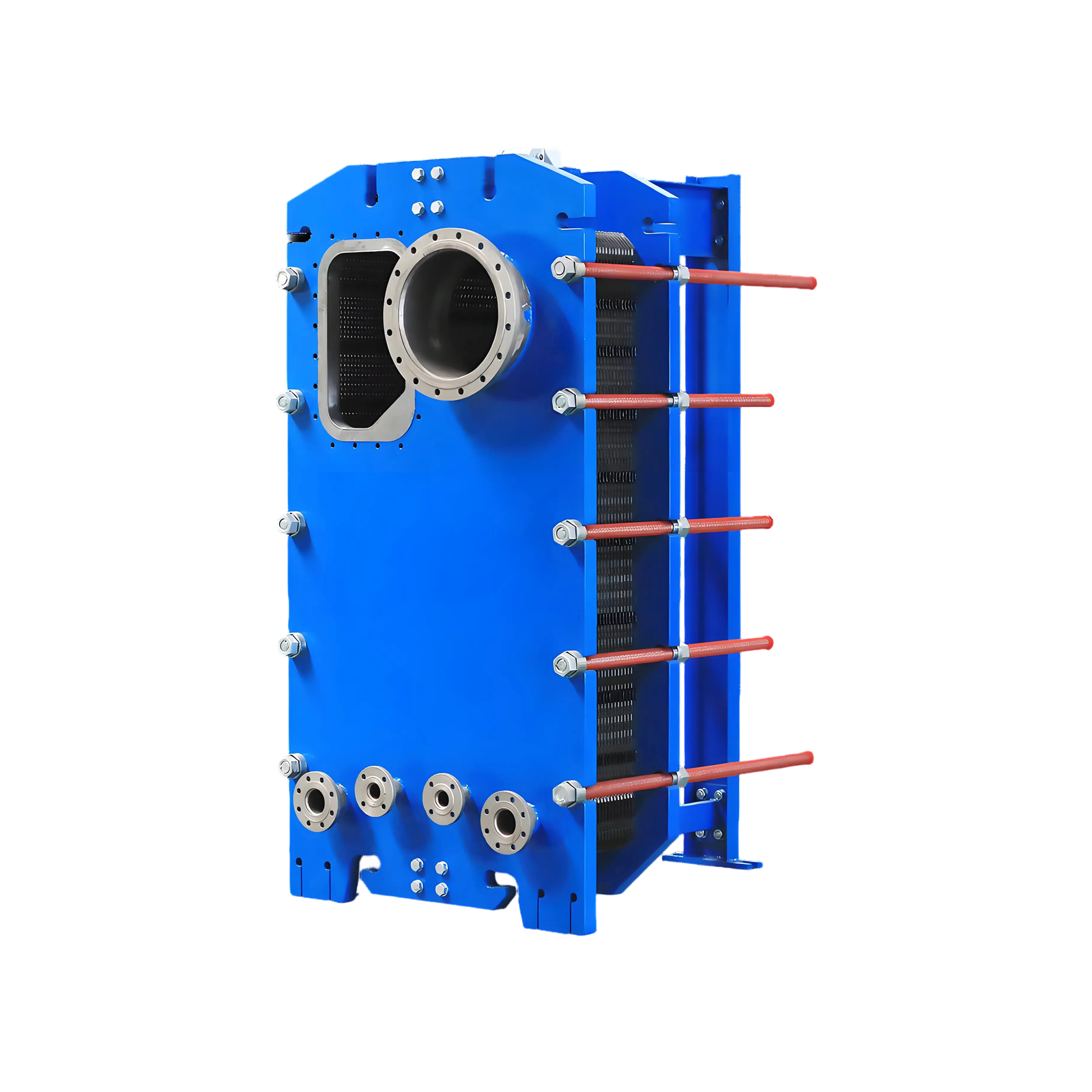
Plate Evaporators
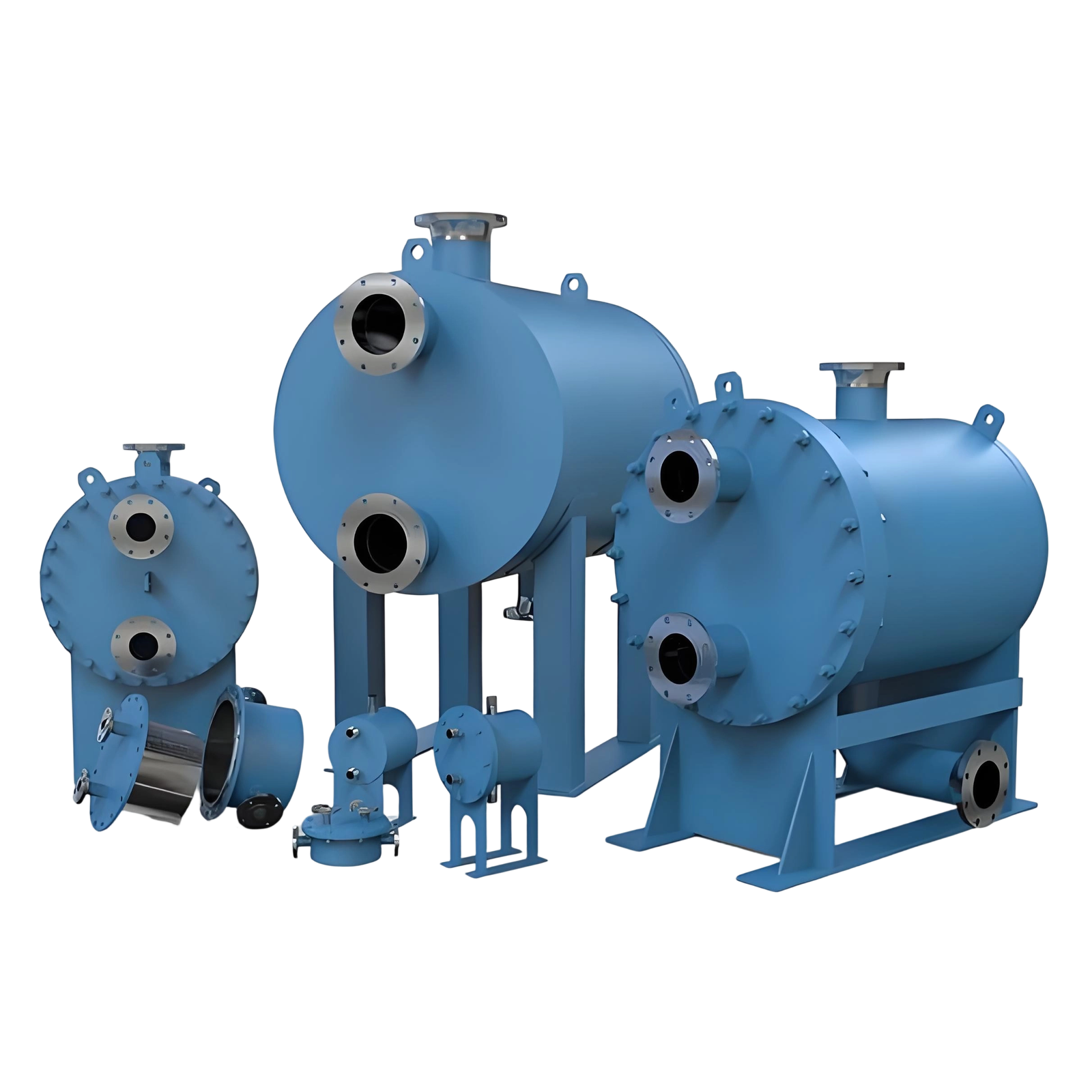
Plate-Shell Heat Exchanger (PSHE)
Quote readiness for this product
Prepare a request that is easier to follow up for Semi-Welded Plate Heat Exchanger
For smoother quotation follow-up, share real operating conditions, quantity, standards, materials, and project timing.
Information that helps follow-up
Operating data:Media, flow, inlet/outlet temperatures, pressure, and heat load.
Mechanical limits:Material, design code, flange standard, pressure rating, and corrosion concerns.
Commercial context:Quantity, target delivery time, destination, and project stage.