

Plate (Tube) Shell Heat Exchanger
The official page explains that the plate is the core heat-transfer component of the plate-shell heat exchanger. THT lists plate structures including chocolate-shaped ripple, horizontal ripple, oblique ripple, and herringbone ripple forms. Plates are formed through one-piece pressing and then edge-cut by laser for consistent dimensions. After each single plate tube and plate bundle is welded, an air-tightness test of 0.6-0.7MPa is performed. The page states that part of the shell-type equipment can withstand 6.0MPa operating pressure and has been used in nuclear power, military, and other major equipment projects.
Key Advantages
Technical Specifications
| Plate Forms | Chocolate-shaped ripple, horizontal ripple, oblique ripple, herringbone ripple |
|---|---|
| Air-Tightness Test | 0.6-0.7MPa after welding |
| Operating Pressure | Some shell-type equipment can withstand 6.0MPa |
Other Products From This Manufacturer
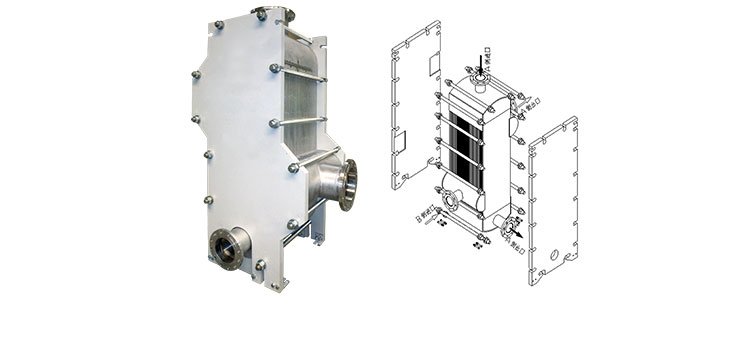
Block Heat Exchanger
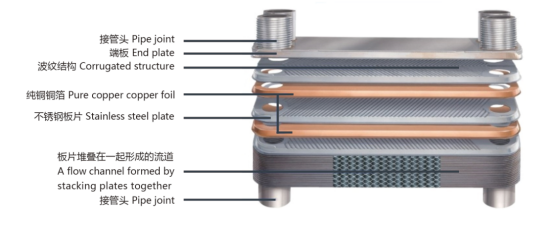
Brazed Plate Heat Exchanger
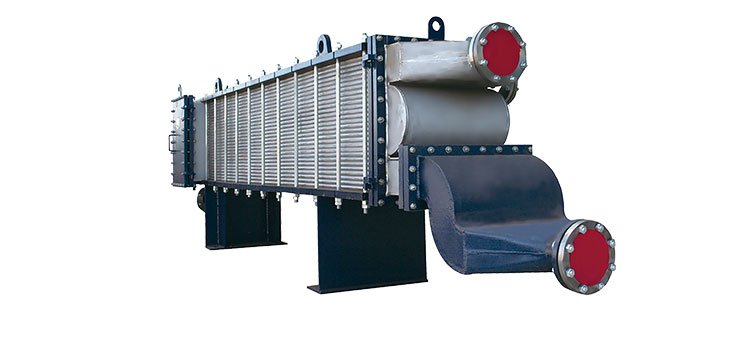
Fully Welded Wide Channel Plate Heat Exchanger
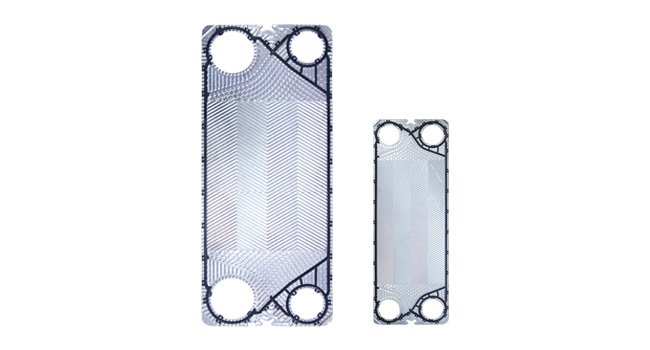
Primary Energy Efficiency Plate Heat Exchanger
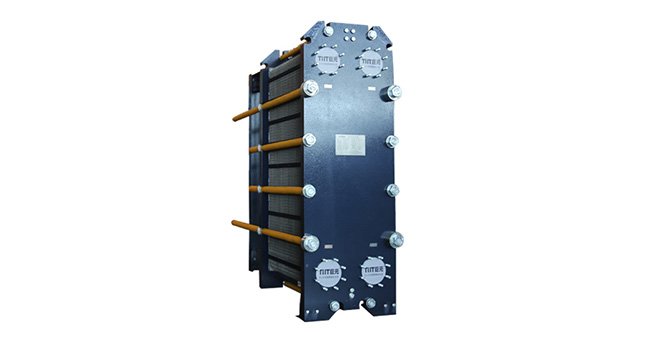
Semi-Welded Plate Heat Exchanger
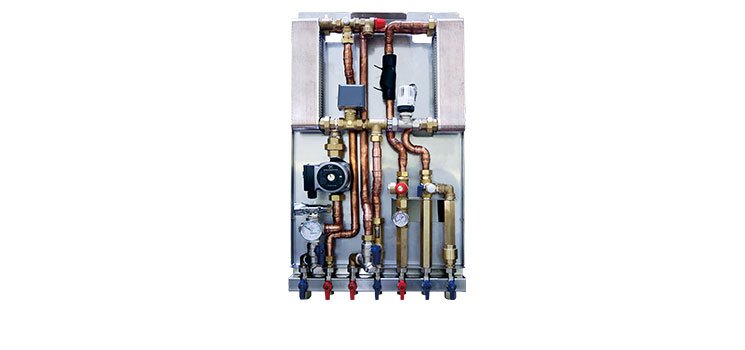
Standardized Heat Exchange Unit
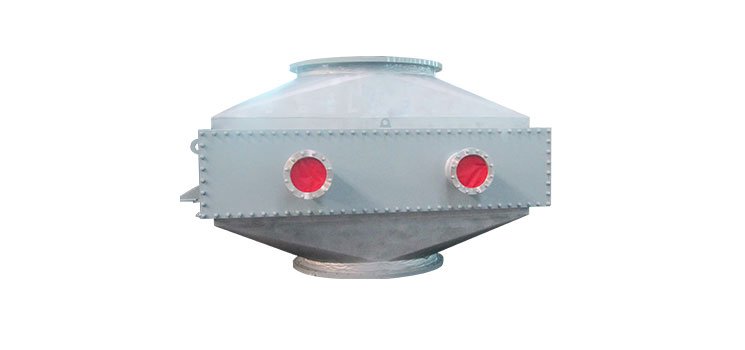
Special Heat Exchanger for Waste Heat Recovery
Quote readiness for this product
Prepare a request that is easier to follow up for Plate (Tube) Shell Heat Exchanger
For smoother quotation follow-up, share real operating conditions, quantity, standards, materials, and project timing.
Information that helps follow-up
Operating data:Media, flow, inlet/outlet temperatures, pressure, and heat load.
Mechanical limits:Material, design code, flange standard, pressure rating, and corrosion concerns.
Commercial context:Quantity, target delivery time, destination, and project stage.