

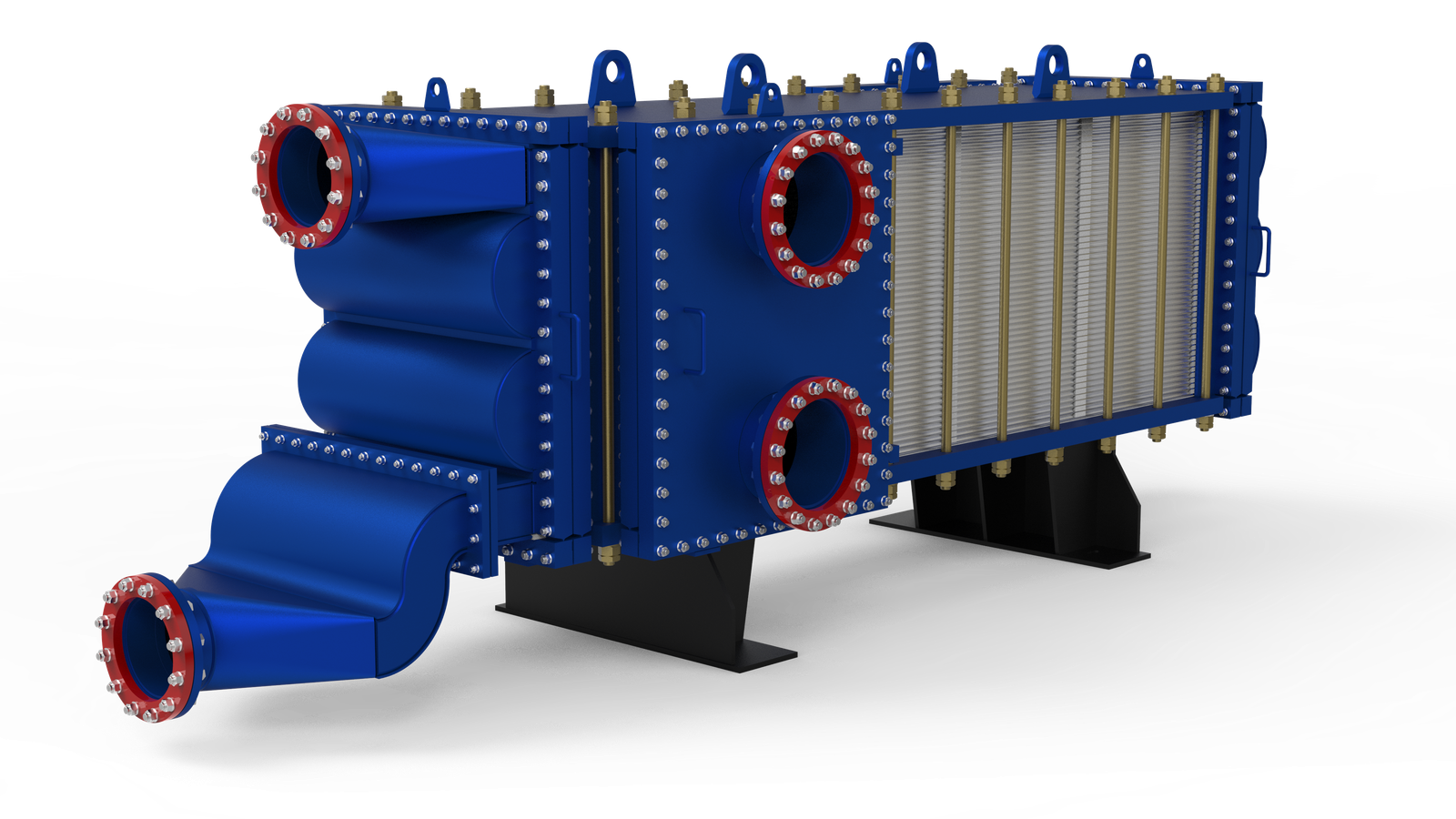
TP Welded Plate Heat Exchanger
The plate packs are welded together by advanced automatic welding machines and installed inside a shell that can be opened for mechanical cleaning of the flow channels. The unique channel configuration prevents fluid cross-contamination and external leakage. TP Welded Plate Heat Exchanger combines the high heat transfer efficiency and compact structure of plate heat exchangers with the high-pressure and high-temperature resistance of shell and tube exchangers, making it an ideal replacement for tubular equipment in special heat transfer processes. It is widely used in petrochemical, power generation, metallurgy, HVAC, food, and pharmaceutical industries.
Product Details
What is TP Welded Plate Heat Exchanger?
TP Welded Plate Heat Exchanger is a hybrid exchanger that combines the structural features of shell and tube heat exchangers with the compactness and high heat transfer efficiency of plate heat exchangers. It is suitable for liquid-liquid, gas-gas, and liquid-gas heat transfer duties where both thermal efficiency and mechanical strength are important.
How is TP Welded Plate Heat Exchanger constructed?
The primary components include one or more welded plate packs, shell and plate frame sections, clamping bolts, hot and cold side inlet and outlet connections, baffle plates, and support structures. The plate pack is formed by stacking and welding corrugated plates, and depending on the application, the shell-side and plate-side housings can be welded or bolted for flexibility in operation and maintenance.
How is it designed and manufactured?
Design focuses on optimized plate geometry, plate spacing, multi-pass counterflow or crossflow arrangement, and pressure-drop control. Material selection may include stainless steel, titanium, Hastelloy, and other corrosion-resistant alloys. Manufacturing relies on precision welding and robust assembly methods to ensure seamless connections, structural integrity, and dependable performance under severe operating conditions.
Key Advantages
Technical Specifications
| Max Area | 15000㎡ |
|---|---|
| Plate Material | Austenitic stainless steel, Duplex stainless steel, 254SMO, Titanium and titanium alloy, Nickel and nickel alloy, Hastelloy |
| Design Pressure | Vacuum ~ 6.0MPa |
| Plate Thickness | 0.6 ~ 1.5mm |
| Design Temperature | -196 ~ 900℃ |
Product Applications
Waste heat recovery
In chemical plants, waste heat recovery is a key route for reducing energy consumption. TP Welded Plate Heat Exchanger is suitable for low- and medium-temperature waste heat recovery where compact layout, high heat-transfer efficiency, and welded sealing are required.
Advantages
- Compared with shell-and-tube exchangers, TP welded plate exchangers can provide much higher heat-transfer coefficients and a smaller footprint.
- The welded structure reduces gasket-related leakage risk in high-temperature or hazardous media.
- High surface area per unit volume supports energy-saving retrofits where plot space is limited.
Used In
Overhead condenser
In acrylic acid and ester refining, overhead condensers face corrosive media, temperature fluctuation, continuous operation, and large-unit reliability requirements. TP Welded Plate Heat Exchanger can use corrosion-resistant plate materials and a welded sealing structure to support stable condensation service.
Advantages
- Compared with gasketed equipment, the all-welded seal avoids gasket aging in corrosive condensation service.
- Compared with conventional exchangers, customized corrugated plates and flow layout can increase turbulence and heat-transfer efficiency.
- The welded plate design supports pressure stability, deformation resistance, and impact resistance in continuous chemical operation.
Used In
Tail gas and purification cooler
TP Welded Plate Heat Exchanger can be used as a tail gas cooler or purification cooler before downstream recovery or treatment. The welded construction and selectable corrosion-resistant materials are suitable for process off-gas cooling where reliability, compactness, and leakage control are important.
Advantages
- Compared with shell-and-tube exchangers, the welded plate structure can reduce footprint while maintaining high heat-transfer efficiency.
- Compared with gasketed equipment, the welded seal lowers leakage risk in hazardous or corrosive off-gas duties.
- Material selection can be matched to corrosive or contaminated gas streams.
Used In
Other Products From This Manufacturer
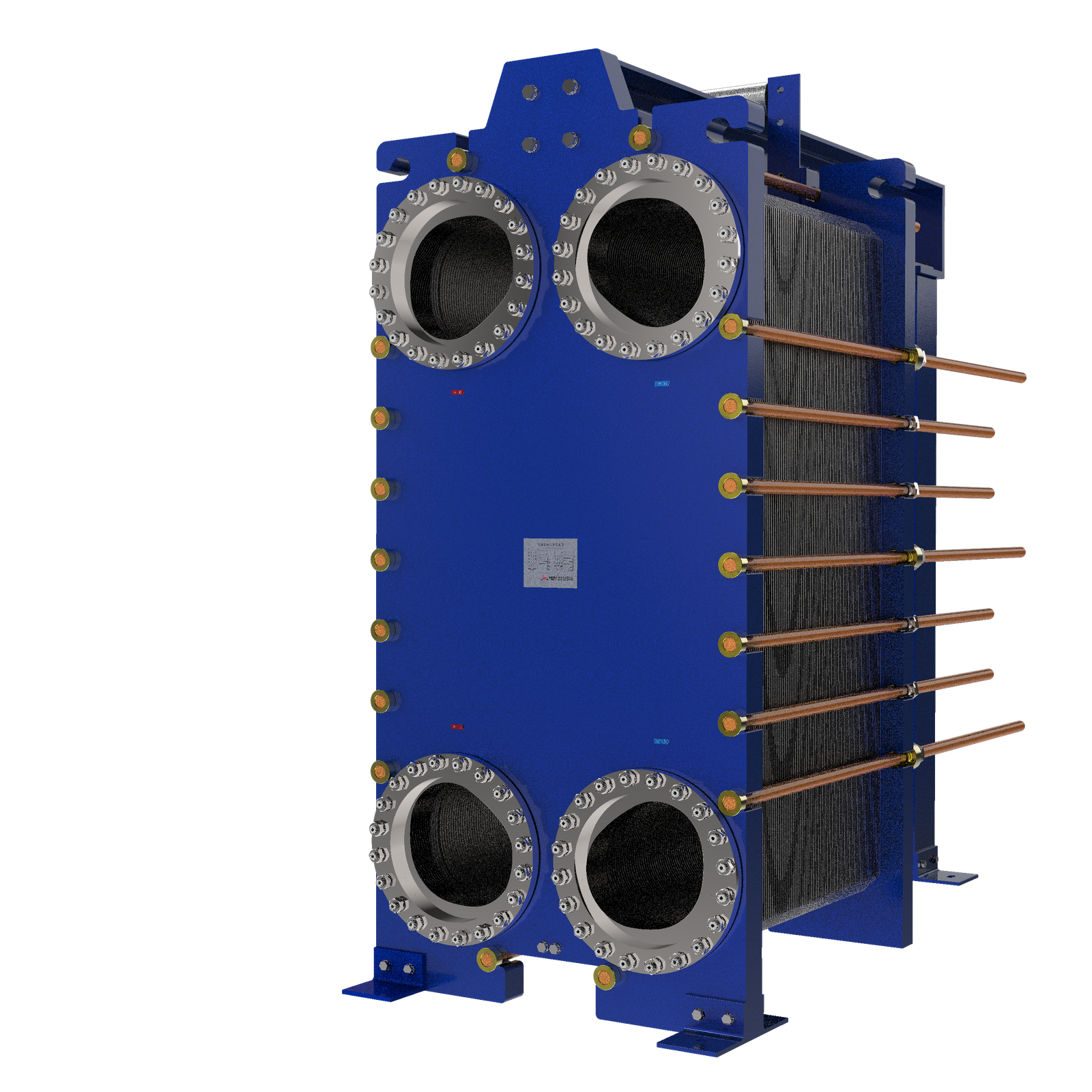
Gasketed Plate Heat Exchanger
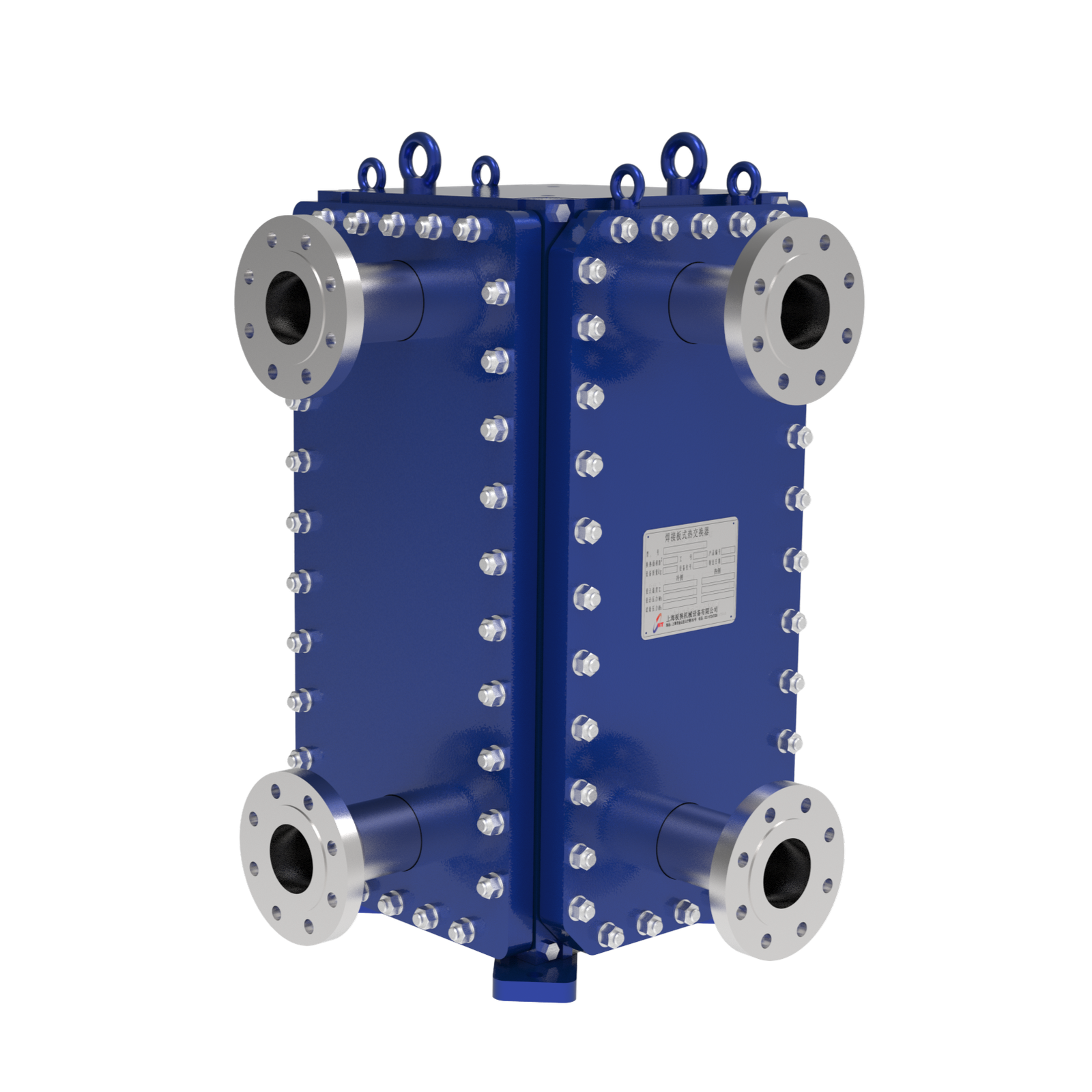
HT-BLOC Welded Plate Heat Exchanger
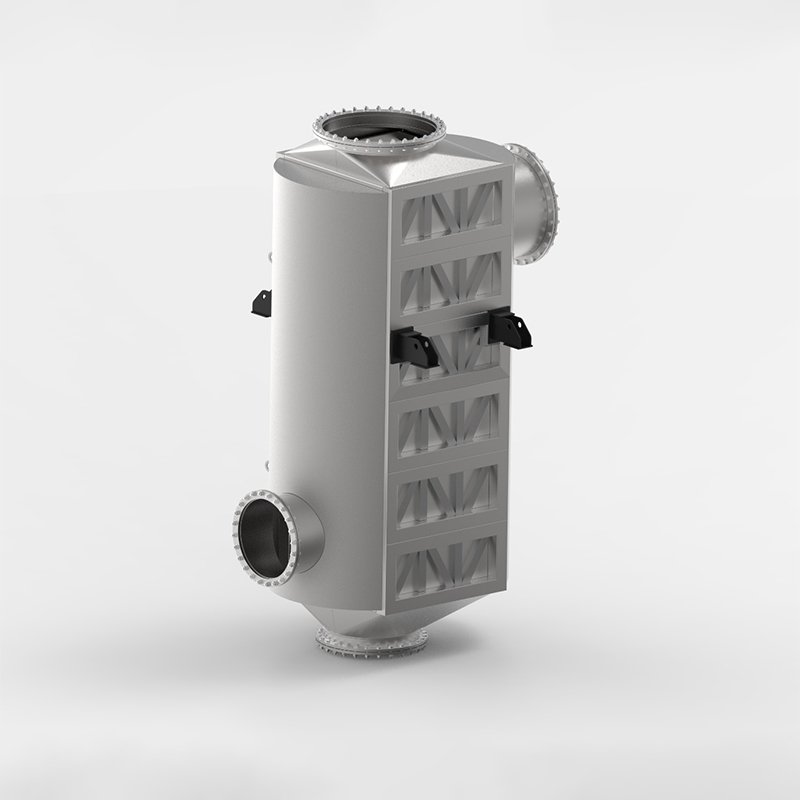
Plate Air Preheater
Printed Circuit Heat Exchanger
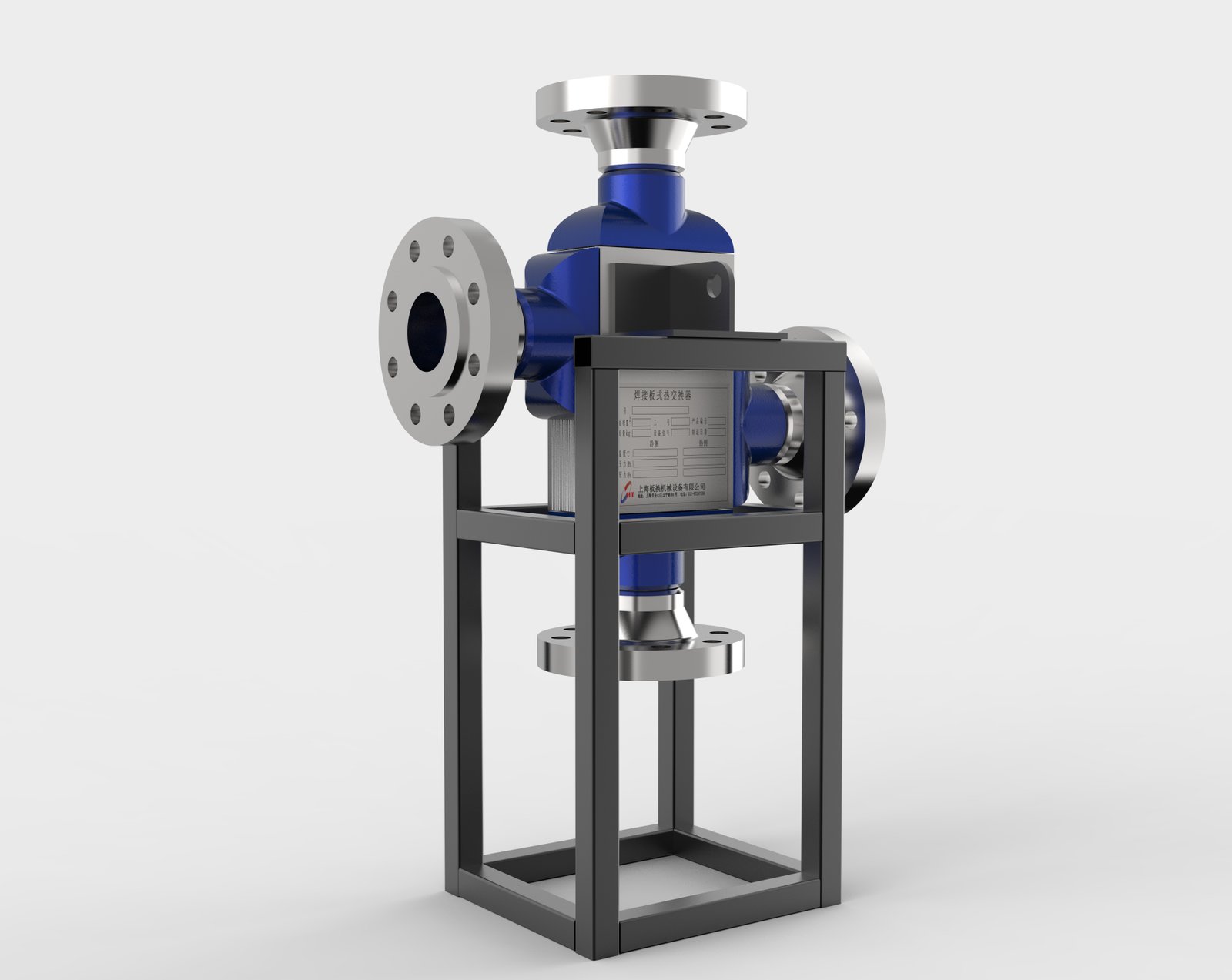
Wide Gap Welded Plate Heat Exchanger
Quote readiness for this product
Prepare a request that is easier to follow up for TP Welded Plate Heat Exchanger
For smoother quotation follow-up, share real operating conditions, quantity, standards, materials, and project timing.
Information that helps follow-up
Operating data:Media, flow, inlet/outlet temperatures, pressure, and heat load.
Mechanical limits:Material, design code, flange standard, pressure rating, and corrosion concerns.
Commercial context:Quantity, target delivery time, destination, and project stage.