

Wide Channel Welded Plate Heat Exchanger
The exchanger uses dimpled corrugated plates or flat plates as heat transfer elements, and the plates are welded in pairs to form the plate bundle. It is designed for sugar, papermaking, metallurgy, alcohol, chemical, food, and fuel ethanol processes that handle solid particles, fiber suspensions, and viscous fluids, and its open channels reduce deposits and clogging.
Food Processing
Chemical Processing
Food and Beverage
Key Advantages
Designed for media containing solid particles, fiber suspensions, and viscous fluids.
Wide-gap flow channel is intended to stay smooth and reduce clogging.
Developed for process heating and cooling in sugar, paper, metallurgy, alcohol, chemical, food, and fuel ethanol service.
Technical Specifications
| Assembly Area | ≤3000m2 |
|---|---|
| Design Pressure | Vacuum ~ 3.5MPa |
| Plate Thickness | 1.0 ~ 2.0mm |
| Design Temperature | ≤450℃ |
| Minimum Temperature Difference | 1℃ |
Other Products From This Manufacturer
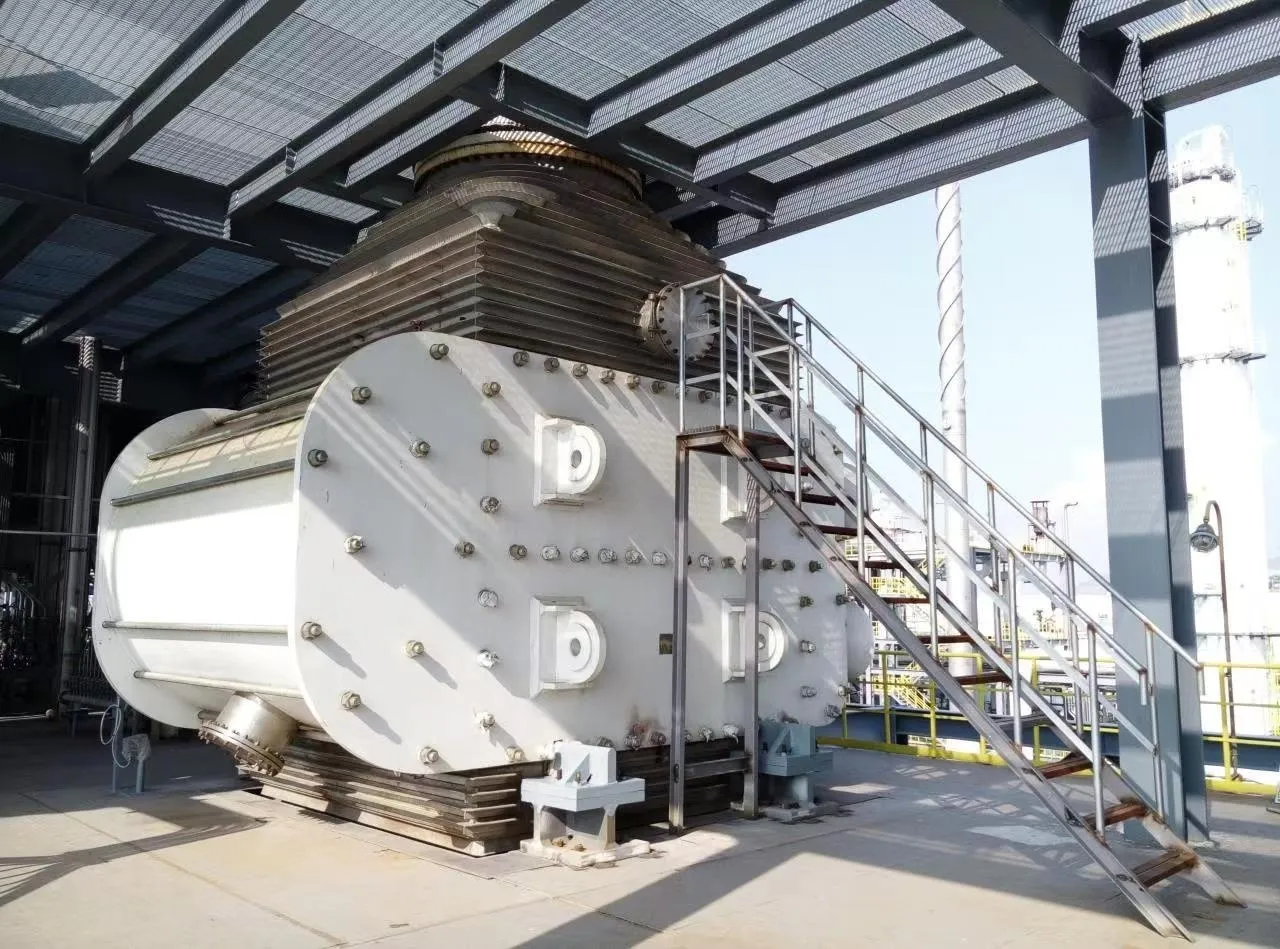
All-Welded Plate Heat Exchanger
HVAC
Petrochemical
Chemical Processing
Explore Details
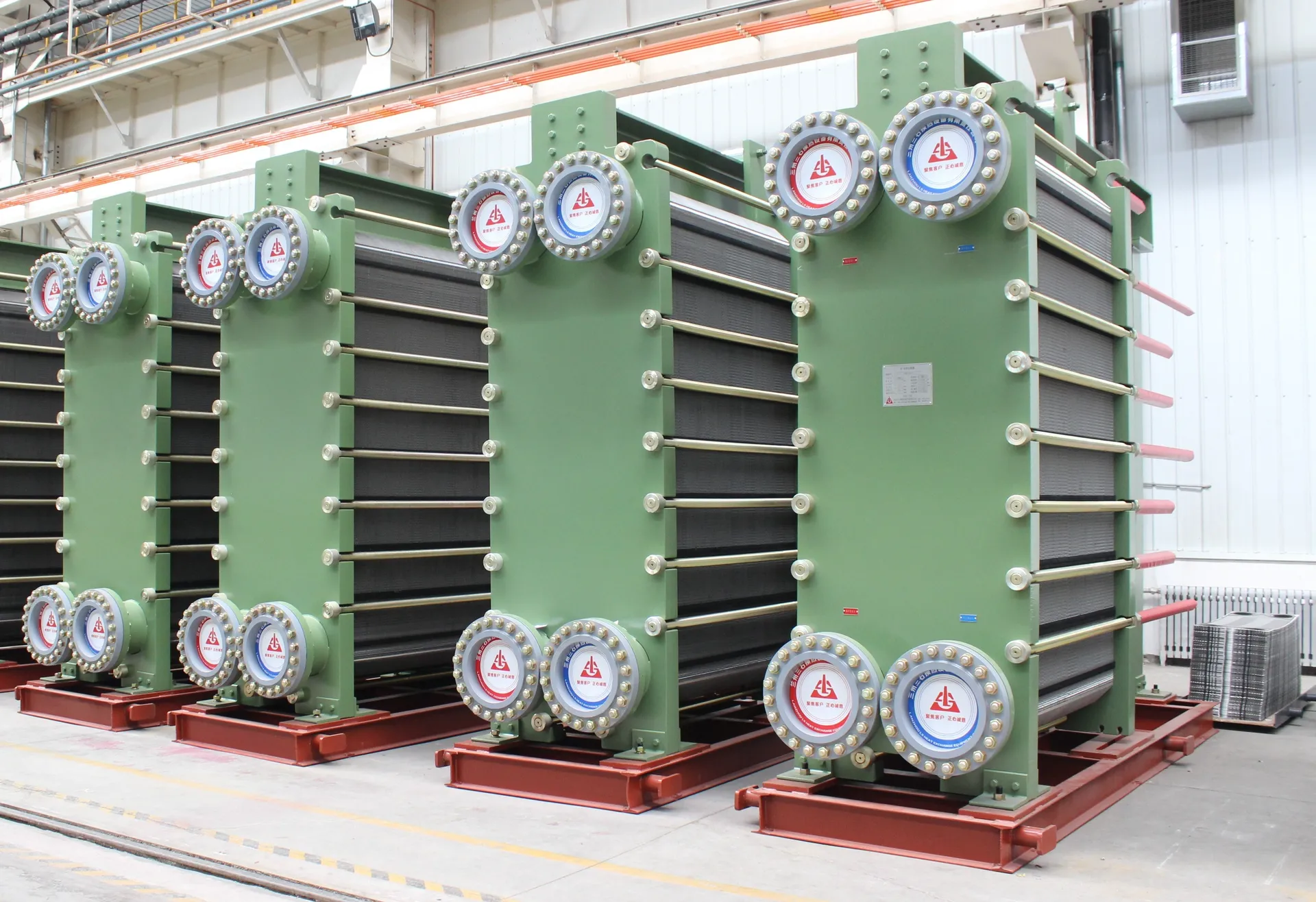
Detachable Plate Heat Exchanger
HVAC
Petrochemical
Marine
Explore Details
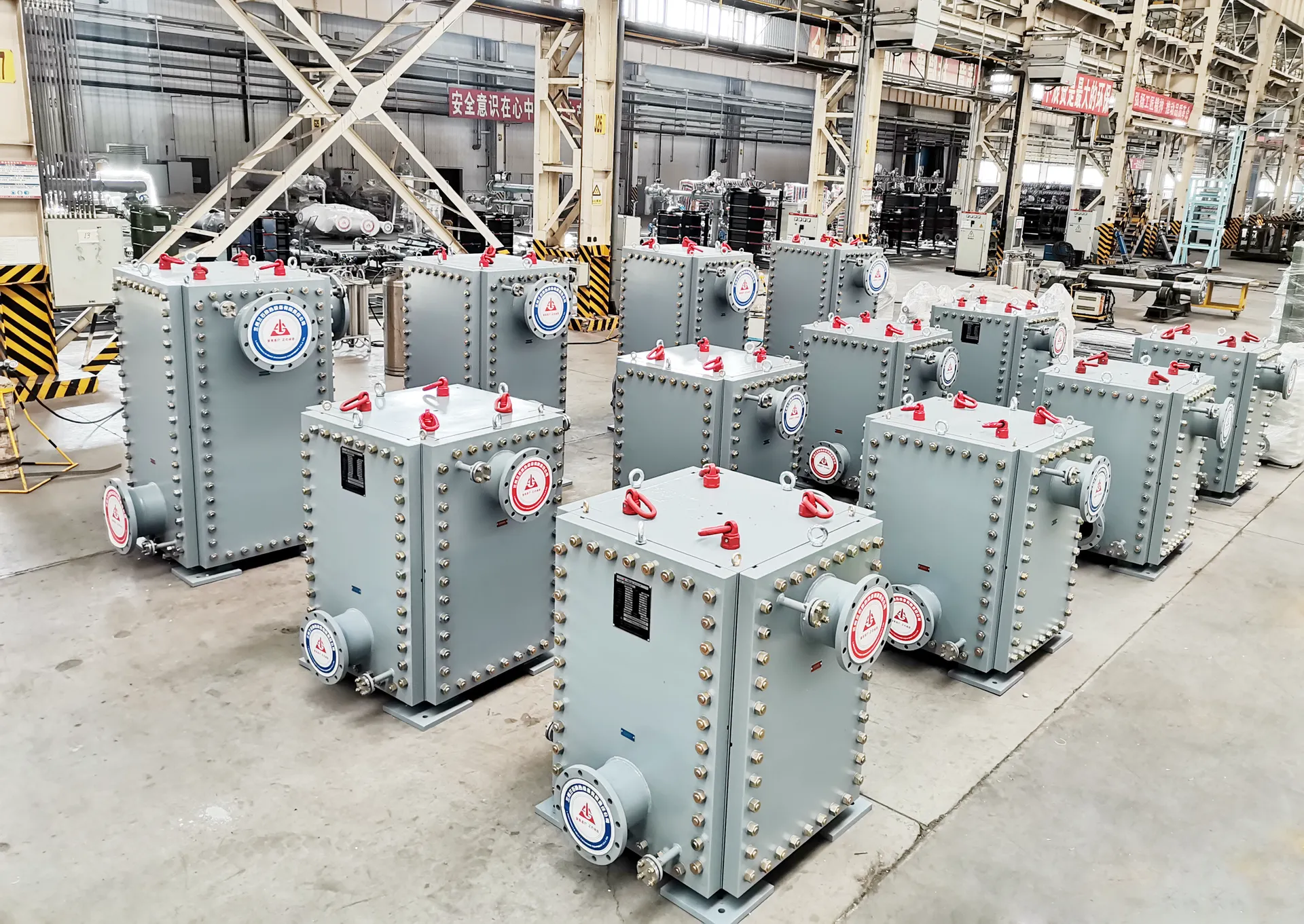
LS-BLOC Welded Plate Heat Exchanger
Petrochemical
Chemical Processing
Pharmaceuticals
Explore Details
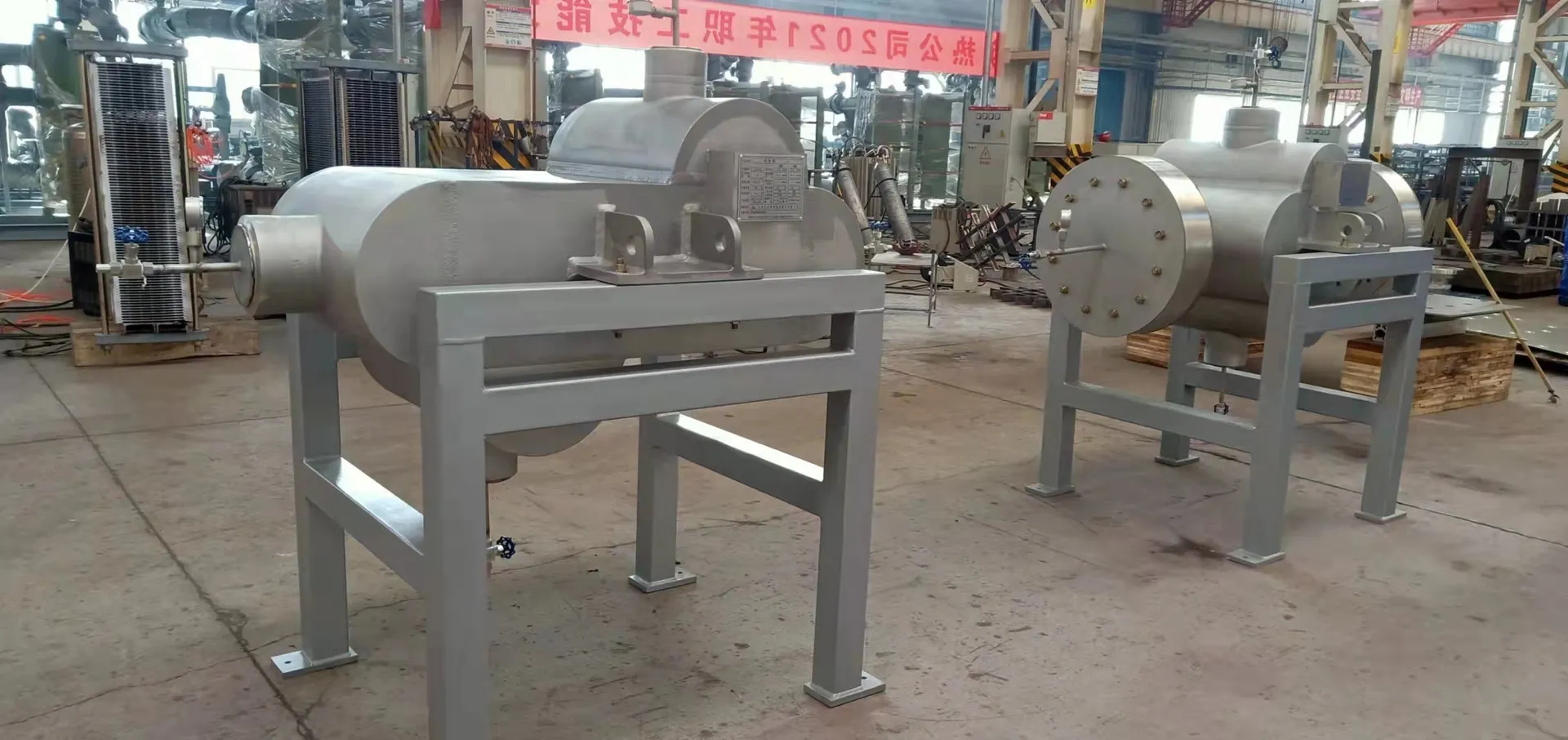
Microchannel Compact Welded Plate Heat Exchanger (PCHE)
HVAC
Petrochemical
Energy
Explore Details
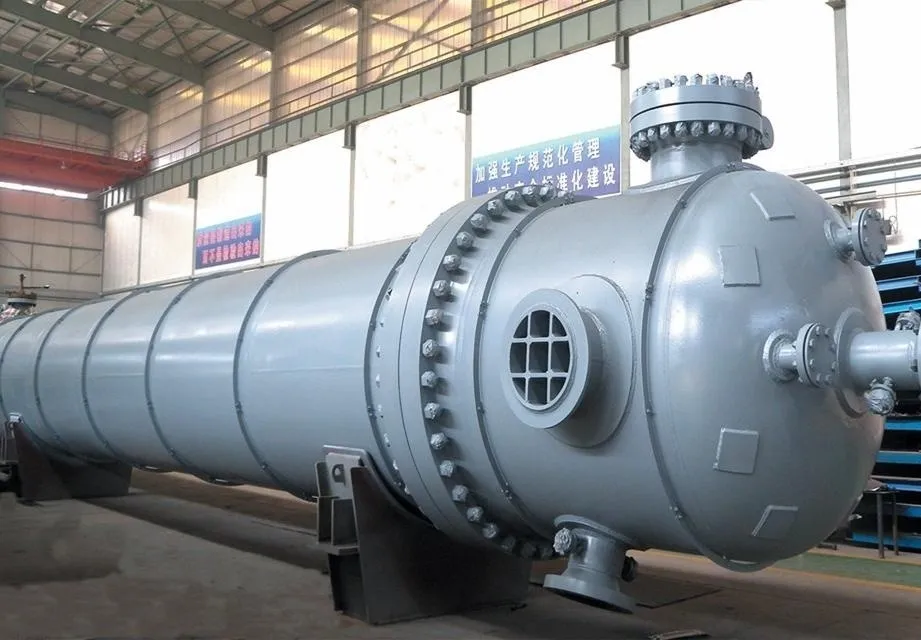
Plate and Shell Heat Exchanger
Petrochemical
Energy
Chemical Processing
Explore Details
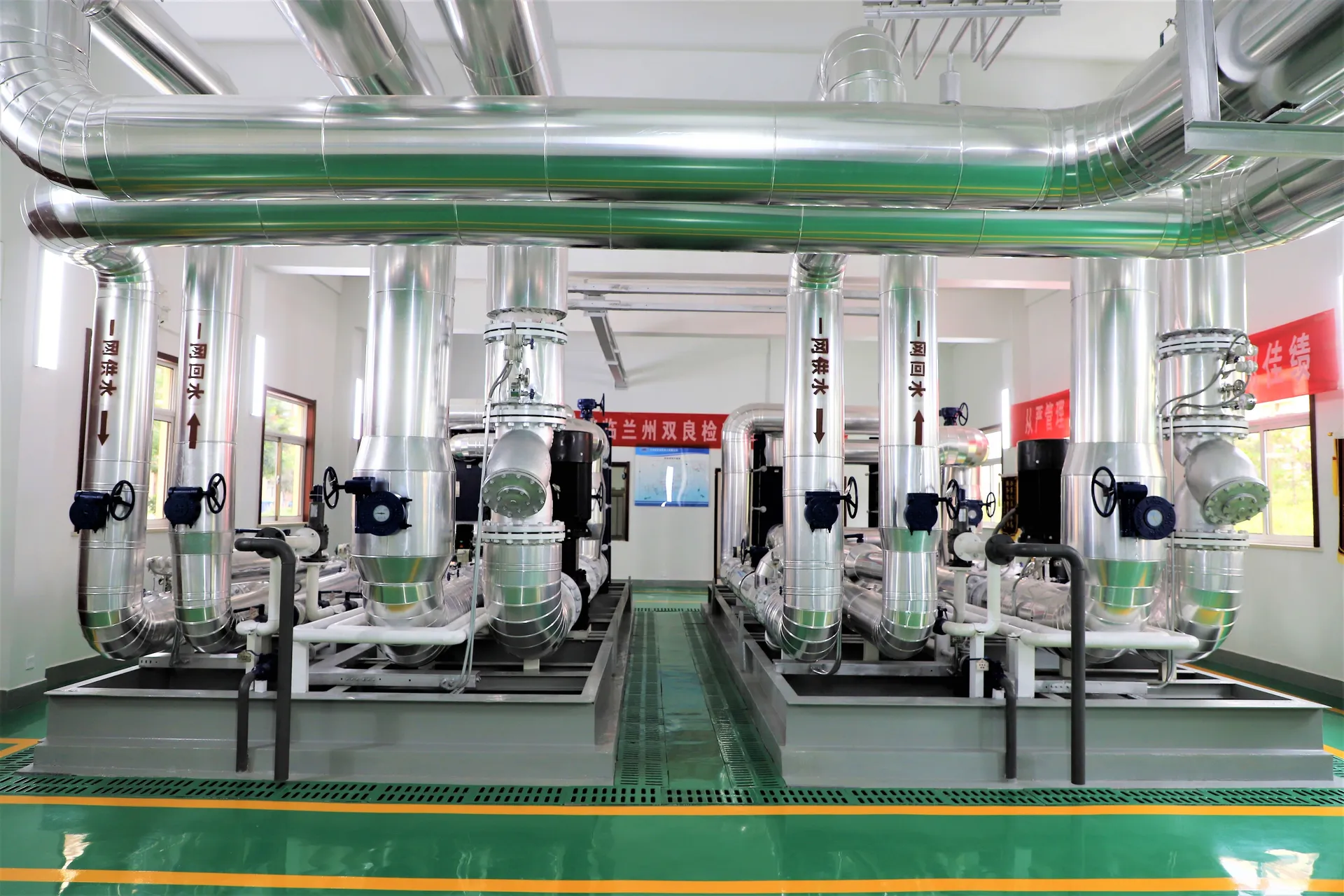
Plate Heat Exchanger Unit
HVAC
Marine
Energy
Explore Details

Round Shell Heat Exchanger
HVAC
Petrochemical
Chemical Processing
Explore Details
Quote readiness for this product
Prepare a request that is easier to follow up for Wide Channel Welded Plate Heat Exchanger
For smoother quotation follow-up, share real operating conditions, quantity, standards, materials, and project timing.
Information that helps follow-up
Operating data:Media, flow, inlet/outlet temperatures, pressure, and heat load.
Mechanical limits:Material, design code, flange standard, pressure rating, and corrosion concerns.
Commercial context:Quantity, target delivery time, destination, and project stage.