
Understanding Welded Plate Heat Exchangers: Design, Benefits, Applications and Cleaning
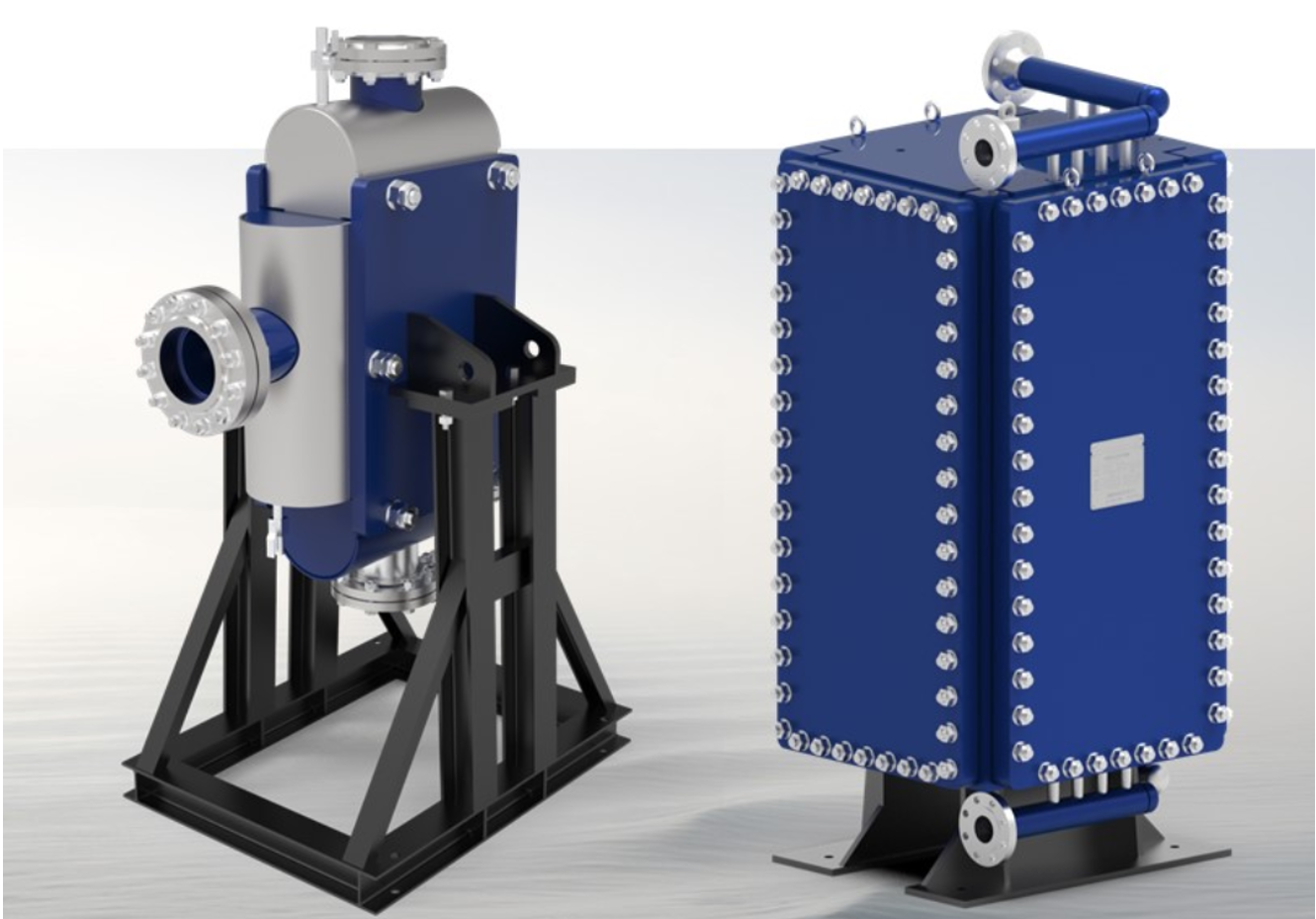
Welded plate heat exchangers are pivotal components in various industrial processes, offering efficient thermal management solutions. This article explores their design, advantages, operating mechanisms, applications, and maintenance. By understanding these elements, professionals can make informed decisions to optimize thermal systems effectively.
What Is a Welded Plate Heat Exchanger?
A welded plate heat exchanger (WPHE) is a type of heat exchanger that uses multiple thin, corrugated plates welded together to facilitate efficient heat transfer between two fluids. Unlike traditional shell-and-tube heat exchangers, WPHEs provide enhanced thermal performance, compact design, and versatility in handling different fluid types.
Key Components of a Welded Plate Heat Exchanger
1. Corrugated Plates
These plates have intricate patterns that increase the heat exchange surface area and promote efficient thermal transfer.
2. Welding
Depending on the design, welded plates prevent fluid leakage and ensure durability.
3. Frame and End Covers
The assembly is housed within a robust frame or shell, with end covers facilitating fluid entry and exit.
4. Sealing Mechanism
The sealing mechanism ensures that the two fluids remain separated, preventing cross-contamination.
Design and Construction of Welded Plate Heat Exchangers
WPHE design is crucial for performance and service life. Key design considerations include:
Plate Configuration
- Corrugation patterns: The design of plate corrugations affects fluid flow and heat transfer efficiency. Common patterns include chevron, wave, and herringbone.
- Plate thickness: Thinner plates offer higher heat transfer rates but require precise manufacturing to maintain structural integrity.
Material Selection
- Stainless steel: Preferred for corrosion resistance and durability, especially in harsh environments.
- Titanium: Used in applications requiring superior corrosion resistance, such as seawater systems.
- Nickel alloys: Selected for high-temperature applications due to excellent thermal performance.
Welding Techniques
- Fusion welding: Ensures seamless connections between plates and eliminates potential leakage points.
- Resistance welding: Used for efficient plate joining, especially in high-volume production scenarios.
Thermal Design
- Heat transfer coefficients: Optimized through plate design to maximize thermal exchange.
- Flow arrangement: Configured as counterflow or parallel flow to improve heat transfer efficiency.
Advantages of Welded Plate Heat Exchangers
Welded plate heat exchangers offer numerous benefits that make them a preferred choice in many industries:
- High thermal efficiency: Intricate plate design and increased surface area help achieve superior heat transfer rates compared with traditional exchangers.
- Compact and lightweight structure: WPHEs occupy a smaller footprint, making them suitable for space-constrained installations.
- Versatility: They are suitable for a wide range of fluids, including corrosive and high-temperature liquids.
- Modular design: The design supports easier cleaning and maintenance, minimizing downtime and operational disruption.
- Durability and reliability: Welded construction ensures robust performance and long service life, even under demanding conditions.
Operating Principle of Welded Plate Heat Exchangers
Understanding the operating principle of WPHEs is essential for optimizing performance.
Fluid Flow Dynamics
WPHEs direct two separate fluids through alternating channels formed by corrugated plates. The corrugations induce turbulence, improving heat transfer efficiency by disrupting the boundary layer.
Heat Transfer Process
Heat is transferred from the hotter fluid to the cooler fluid through the plate material. Efficiency is influenced by plate surface area, fluid velocity, and temperature gradient.
Pressure Drop Considerations
Although WPHEs provide high thermal efficiency, they can experience higher pressure drop because of the corrugated plate design. Proper system design and fluid dynamics analysis are essential to mitigate this effect.
Applications of Welded Plate Heat Exchangers
Welded plate heat exchangers are widely used across industries because of their efficiency and versatility:
- Chemical processing: Used for heat recovery, temperature control, and reaction heating while handling corrosive chemicals effectively.
- Food and beverage: Ensures precise temperature control during processing and packaging to maintain product quality and safety.
- Power generation: Used in cooling systems and waste heat recovery to improve overall energy optimization.
- Oil and gas: Handles high-temperature and high-pressure fluids, ensuring reliable performance in demanding environments.
Maintenance and Troubleshooting
Regular maintenance is vital for ensuring optimal WPHE performance. Key maintenance practices include:
- Routine inspections: Check for corrosion, leakage, and plate damage to address issues proactively.
- Cleaning procedures: Implement regular cleaning plans to remove fouling and scale and maintain heat transfer efficiency.
- Pressure testing: Conduct pressure tests to verify weld and seal integrity and prevent potential leakage.
Troubleshooting Common Issues
- Reduced heat transfer efficiency: Usually caused by fouling or scaling; regular cleaning can mitigate it.
- Increased pressure drop: May result from blocked channels or damaged plates; inspection and replacement of affected plates can resolve the issue.
- Leakage: Typically caused by faulty welds or seals; prompt identification and repair are essential for maintaining system integrity.
Future Trends in Welded Plate Heat Exchanger Technology
Advances in materials and manufacturing technologies are driving WPHE development:
- Enhanced materials: New alloys and composites provide improved corrosion resistance and thermal performance.
- Smart monitoring systems: IoT, AI, and sensor integration enables real-time monitoring and predictive maintenance.
- Energy-efficient designs: Innovations in plate geometry and flow dynamics aim to further improve thermal efficiency while reducing energy consumption.
- Sustainable manufacturing: Environmentally friendly manufacturing processes align with global sustainability goals and reduce production impact.
Conclusion
Welded plate heat exchangers are indispensable in modern industrial applications, providing high thermal efficiency, compact design, and versatility. Understanding their design, benefits, operating mechanisms, and maintenance requirements enables industries to use their full potential and ensure reliable performance. As technology continues to advance, WPHEs will play an increasingly important role in sustainable and efficient thermal management solutions.