
Troubleshooting, Cleaning, and Maintenance of Heat Exchangers
Introduction
Heat exchangers are crucial equipment widely used in various industries, including chemical processing, power generation, refrigeration, and food processing. They transfer heat between two or more fluids at different temperatures, playing a vital role in process efficiency and energy consumption. However, like any mechanical equipment, heat exchangers are prone to various operational failures over time.
Understanding these potential issues, how to detect and diagnose them, and effective cleaning and maintenance strategies is essential for ensuring long-term reliability and optimal performance.
Common Types of Heat Exchangers
Shell-and-Tube Heat Exchangers
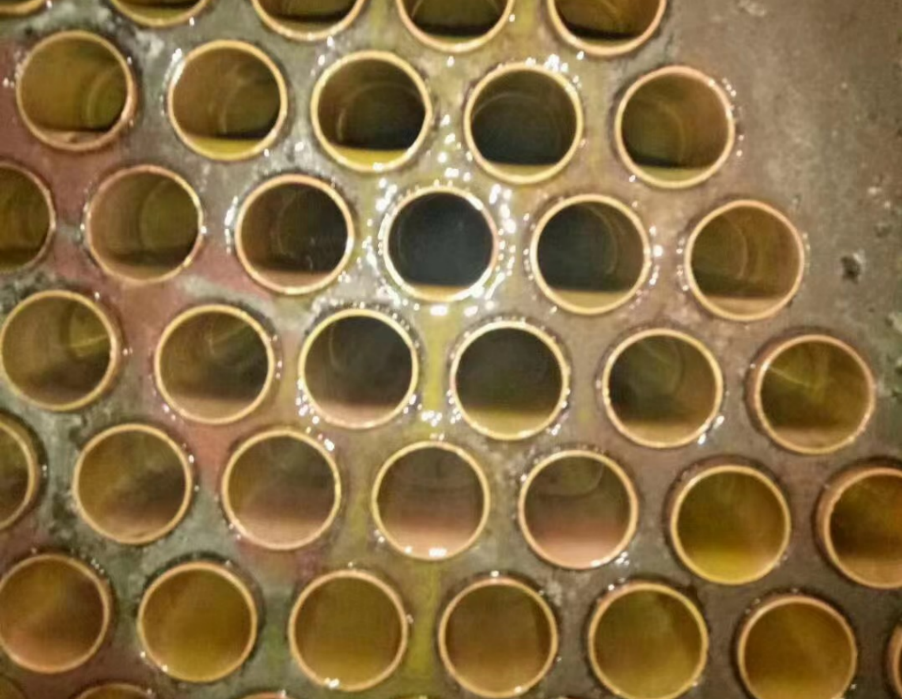
Shell-and-tube heat exchangers are one of the most common types. They consist of a bundle of tubes enclosed in a cylindrical shell. One fluid flows through the tubes (tube side), while the other flows outside the tubes within the shell (shell side). These heat exchangers are robust and suitable for high-pressure and high-temperature applications.
Plate Heat Exchangers
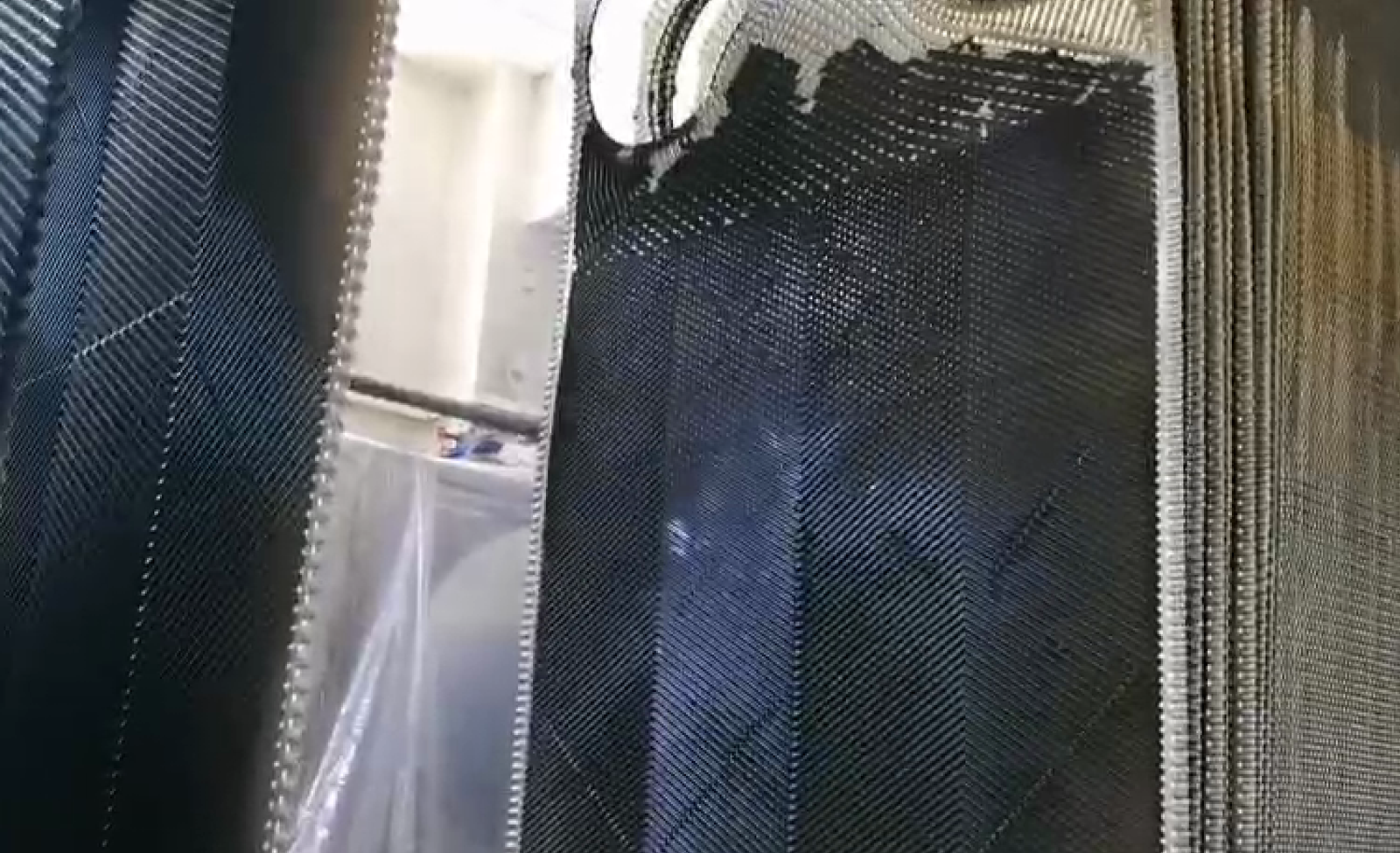
Plate heat exchangers are made up of a series of thin, corrugated metal plates. Fluids flow in alternating channels between the plates, which provides a large heat transfer area in a compact space. They are highly efficient and often used in applications that require high heat transfer rates, such as the dairy and beverage industries.
Welded Plate Heat Exchangers
Welded plate heat exchangers use a series of plates. However, they have a more modular design, allowing easier disassembly and cleaning.
Spiral Heat Exchangers
Spiral heat exchangers consist of two channels formed by spirally wound metal plates. They are effective in handling viscous and dirty fluids because the spiral design reduces the likelihood of fouling.
Air-Cooled Heat Exchangers
In air-cooled heat exchangers, air is used as the cooling medium. They are widely used where water is scarce or expensive, such as in some industrial plants and automotive radiators.
Common Operational Failures of Heat Exchangers
Fouling
Fouling is one of the most prevalent problems in heat exchangers. It refers to the accumulation of unwanted substances on heat transfer surfaces. These substances can include scale, corrosion products, biological growth, and suspended solids. Fouling reduces heat transfer efficiency, increases energy consumption, and can lead to higher operating costs.
For example, in a shell-and-tube heat exchanger used in a power plant, scale formation on tube surfaces can significantly decrease the heat transfer rate, resulting in lower steam production and reduced power generation efficiency.
Leakage
Leakage can occur in heat exchangers for various reasons. In shell-and-tube heat exchangers, tube-to-tubesheet joints can fail over time due to fatigue, corrosion, or improper installation. In plate heat exchangers, gasket failures are common and may be caused by aging, over-tightening, or chemical attack from the fluids.
Leakage can lead to cross-contamination between two fluids, which is a serious problem in applications where product purity is critical, such as the pharmaceutical industry. It can also cause loss of valuable fluids and resulting economic losses.
Corrosion
Corrosion is another significant issue affecting the lifespan and performance of heat exchangers. Different types of corrosion can occur, including uniform corrosion, pitting corrosion, and crevice corrosion. Uniform corrosion occurs when the entire metal surface is evenly attacked by the corrosive medium, while pitting corrosion forms small, deep holes on the metal surface.
Crevice corrosion often occurs in narrow gaps or crevices, such as under gaskets or at tube-to-tubesheet joints. Corrosion weakens structural integrity, increases leakage risk, and can ultimately lead to equipment failure.
Tube Blockage
In shell-and-tube heat exchangers, tube blockage can occur due to accumulation of debris, large particles, or solidified substances inside the tubes. This restricts fluid flow through the tubes and reduces heat transfer area and efficiency.
Tube blockage can also cause uneven flow distribution among the tubes, leading to hot spots and further accelerating degradation of the heat exchanger.
Decreased Heat Transfer Efficiency
Even without obvious fouling, leakage, or blockage, heat transfer efficiency may gradually decline over time. This can be caused by changes in fluid properties, improper flow rates, or reduced thermal conductivity of the heat transfer material after long-term exposure to high temperatures or corrosive environments.
Detecting and Diagnosing Heat Exchanger Problems
Temperature and Pressure Measurements
Monitoring inlet and outlet temperatures and pressures of both hot and cold fluids is one of the most basic and effective ways to detect heat exchanger problems. A significant increase in the hot-fluid temperature difference, or a decrease in the cold-fluid temperature difference, may indicate reduced heat transfer efficiency caused by fouling or tube blockage.
Similarly, a sudden pressure drop across the heat exchanger may suggest leakage, while a significant increase in pressure drop may be caused by blockage or excessive fouling.
Visual Inspection
Regular visual inspections can reveal many obvious problems. For shell-and-tube heat exchangers, inspecting the outside of the shell for leakage signs, such as wet spots or corrosion, is important. In plate heat exchangers, checking gaskets for damage, cracks, or swelling can help identify potential leakage.
Visual inspection can also identify external corrosion, but it cannot detect internal fouling or blockage inside tubes or channels without disassembly.
Flow Rate Monitoring
Monitoring fluid flow rates through the heat exchanger can provide valuable information. A significant deviation from normal flow may indicate blockage, leakage, or pumping system problems. Comparing measured flow rates with design values helps operators identify potential issues early.
Chemical Analysis
Chemical analysis of fluids can help detect contaminants that may cause fouling or corrosion. Analyzing pH, dissolved solids, and specific chemical species provides insight into heat exchanger condition. High calcium and magnesium ion concentrations in water-based fluids, for example, may indicate scale formation risk.
Analyzing metal ions in the fluid can also help detect corrosion because released metal ions are a sign of metal degradation.
Non-Destructive Testing (NDT)
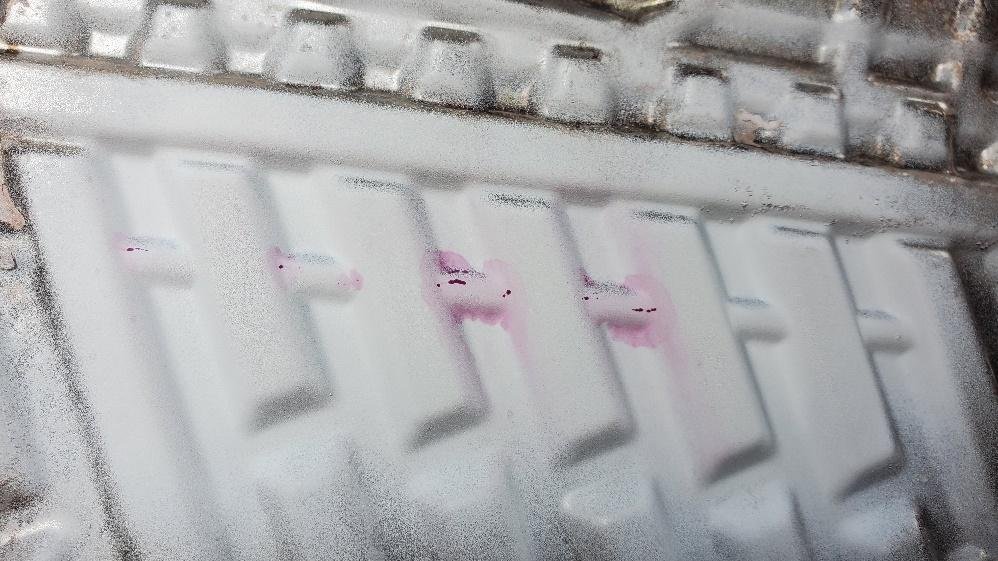
Non-destructive testing methods, such as dye penetrant testing, ultrasonic testing, eddy current testing, and radiographic testing, can detect internal problems without damaging the equipment. Ultrasonic testing can measure wall thickness to identify corrosion, while eddy current testing is effective for detecting cracks or thinning in shell-and-tube exchanger tubes.
Radiographic testing can provide detailed images of internal structures, allowing operators to detect blockage or other internal abnormalities.
Cleaning Heat Exchangers
Mechanical Cleaning
Mechanical cleaning physically removes fouling substances from heat transfer surfaces. For shell-and-tube heat exchangers, tube-cleaning brushes, scrapers, or high-pressure water jets can be used. High-pressure water jets, typically ranging from 1000 to 5000 psi, can effectively remove stubborn scale and debris.
In plate heat exchangers, plates can be disassembled and cleaned manually with brushes and detergents. Mechanical cleaning is simple and effective for most fouling types, but it may not be suitable for delicate components or hard-to-reach fouling in complex geometries.
Chemical Cleaning
Chemical cleaning uses chemical agents to dissolve or react with fouling substances. Common agents include acids, alkalis, and detergents. Acids can dissolve scale formed by metal carbonates and hydroxides, while alkaline cleaners are often used to remove organic fouling such as oil and grease.
Chemical cleaning can be more effective than mechanical cleaning for complex or deeply seated fouling, but chemicals must be handled properly to ensure safety and environmental compliance.
Online Cleaning
Online cleaning methods allow the heat exchanger to be cleaned while still in operation. One method is to use self-cleaning heat exchangers with built-in mechanisms that continuously remove fouling. Another method is to inject cleaning agents into the fluid stream.
This approach is useful when downtime is unacceptable, although it may be less effective than offline cleaning for severe fouling.
Maintenance of Heat Exchangers
Regular Inspections
Regular inspections should be carried out at scheduled intervals, as described in the detection and diagnosis section. Inspection frequency depends on operating conditions and the criticality of the heat exchanger. Harsh environments or corrosive fluids may require more frequent inspections.
Replacement of Worn Components
Over time, components such as gaskets, tubes, and seals may wear out or become damaged. These parts should be replaced promptly to prevent leakage and ensure proper operation. Replacement parts should meet original equipment manufacturer specifications to ensure compatibility and performance.
Corrosion Protection
Corrosion protection measures include using corrosion-resistant materials such as stainless steel or titanium, applying protective coatings, and using cathodic protection methods such as sacrificial anodes or impressed current systems.
Fluid Treatment
Treating fluids before they enter the heat exchanger helps prevent fouling and corrosion. For water-based fluids, treatment may include softening, demineralization, and adding corrosion inhibitors or antiscalants. Proper fluid treatment extends heat exchanger life and maintains performance.
Operator Training
Proper operator training is essential for effective heat exchanger maintenance. Operators should know how to monitor performance, detect potential problems, and perform basic maintenance tasks such as visual inspections and simple cleaning procedures. They should also understand safety procedures for handling chemicals and maintaining heat exchangers.
Conclusion
Heat exchangers are essential pieces of equipment in many industrial processes. Understanding common operational failures such as fouling, leakage, corrosion, tube blockage, and decreased heat transfer efficiency is the first step in maintaining performance. Effective cleaning methods, including mechanical, chemical, and online cleaning, can help restore heat transfer efficiency.
Regular maintenance, including inspections, component replacement, corrosion protection, fluid treatment, and operator training, is crucial for long-term reliability and optimal performance. By implementing comprehensive troubleshooting, cleaning, and maintenance strategies, industries can minimize downtime, reduce operating costs, and ensure safe and efficient heat exchanger operation.