

Liquid-Cooled Hydraulic Power Unit PHEU
The Liquid-Cooled Hydraulic Power Unit PHEU is a customized primary hydraulic distribution system for liquid cooling applications. Accessen integrates plate heat exchangers, coolant pumps, water treatment systems, piping and valves, and electrical and control systems into a modular package designed to improve thermal efficiency and simplify operation for liquid-cooled data centers.
Product Details
What is included in the PHEU module?
Accessen states that the PHEU integrates plate heat exchangers, coolant pumps, water treatment systems, piping, valves, and electrical and control systems into one primary hydraulic distribution module.
How does it improve project delivery?
The system uses prefabricated modules, precision jig alignment, and prefabricated piping so that field work only requires threaded or flanged connections, reducing installation time and on-site welding.
Key Advantages
Technical Specifications
| Power Supply | 380V~415VAC/50±1Hz |
|---|---|
| Altitude Range | -30m~2500m |
| Primary Side Coolant | Water/Glycol-based Coolants |
| Secondary Side Coolant | Deionized Water, Glycol, Propylene Glycol, Fluorinated Fluids |
| Storage Temperature Range | -40°C~70°C |
| Operating Relative Humidity | 5%~95% |
| Operating Temperature Range | 5°C~50°C |
| Primary Side Filtration Rating | 200μm~300μm |
| Secondary Side Filtration Rating | 100μm~200μm |
Other Products From This Manufacturer
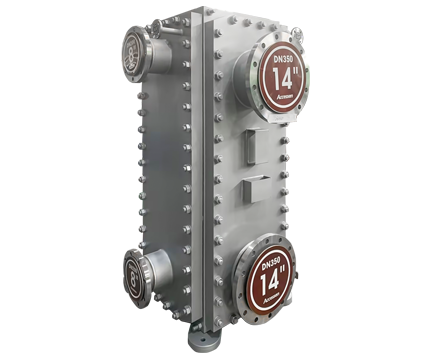
A-BLOC Fully Welded Removable Plate Heat Exchanger
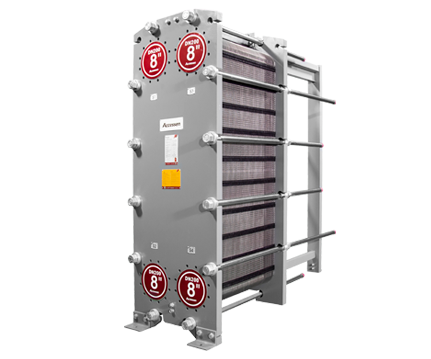
AU, AN, AS, AP, AC Series Gasketed Plate Heat Exchanger - I
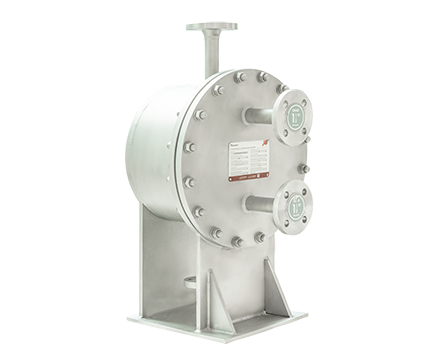
AWPS Series Plate-Shell Heat Exchanger - I
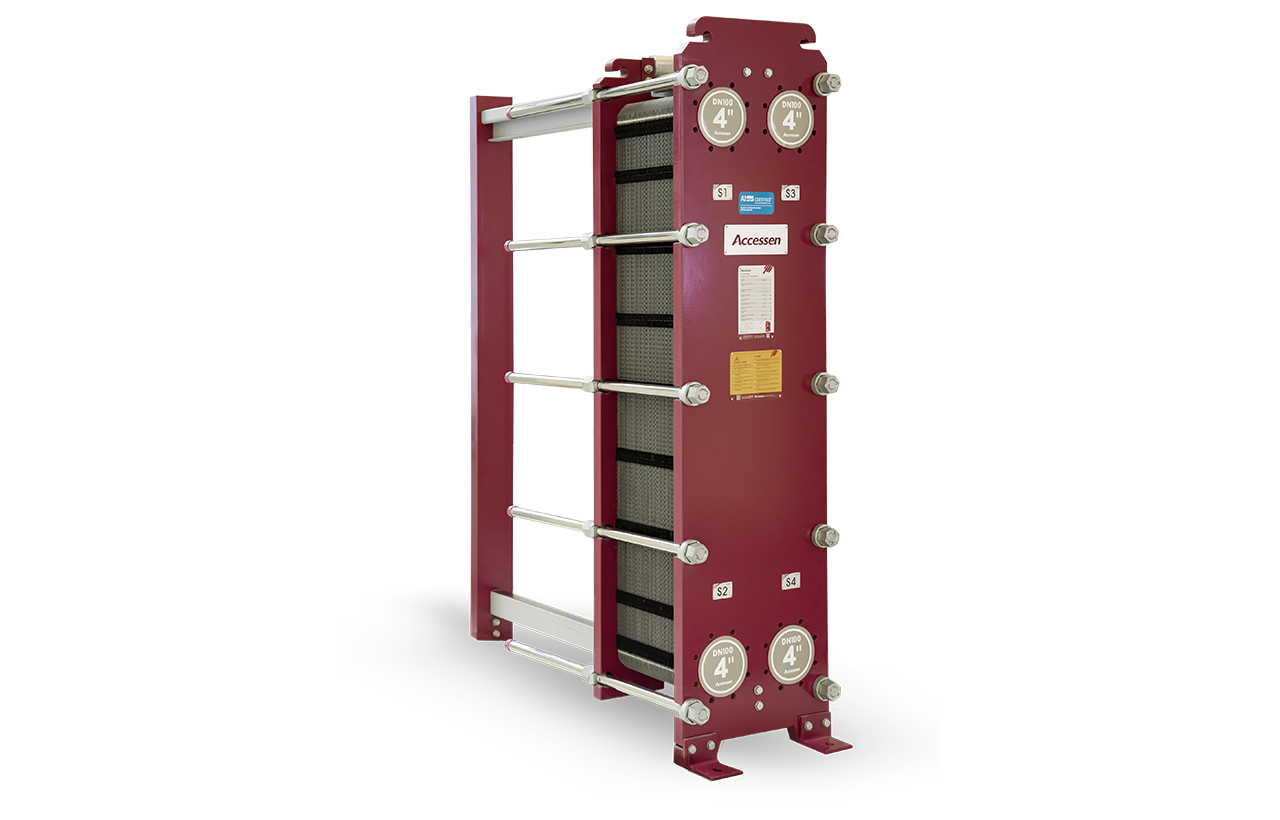
High-Efficiency Plate Heat Exchanger AQ/AA
Liquid-Cooling Distribution Unit ACDU
Outdoor Prefabricated Integrated Cooling Station AIS
Quote readiness for this product
Prepare a request that is easier to follow up for Liquid-Cooled Hydraulic Power Unit PHEU
For smoother quotation follow-up, share real operating conditions, quantity, standards, materials, and project timing.
Information that helps follow-up
Operating data:Media, flow, inlet/outlet temperatures, pressure, and heat load.
Mechanical limits:Material, design code, flange standard, pressure rating, and corrosion concerns.
Commercial context:Quantity, target delivery time, destination, and project stage.